Buying a Naples Waterfront Home? What to Review First
July 2, 2026
July 2, 2026
Buying on the water in Naples can feel like a dream come true, but it also comes with questions you would never ask about a typical inland home. Beyond the views and boat access, you need to understand seawalls, docks, permits, flood risk, and long-term upkeep before you commit. If you are thinking about a waterfront purchase in this part of Long Beach, a little extra due diligence can save you major surprises later. Let’s dive in.
Naples sits within Alamitos Bay, which includes the Naples Canals and benefits from offshore breakwaters. The City of Long Beach describes the bay as a setting valued for rapid access to open water and year-round sailing. That means a home here is not just a house purchase. It is also a waterfront infrastructure purchase.
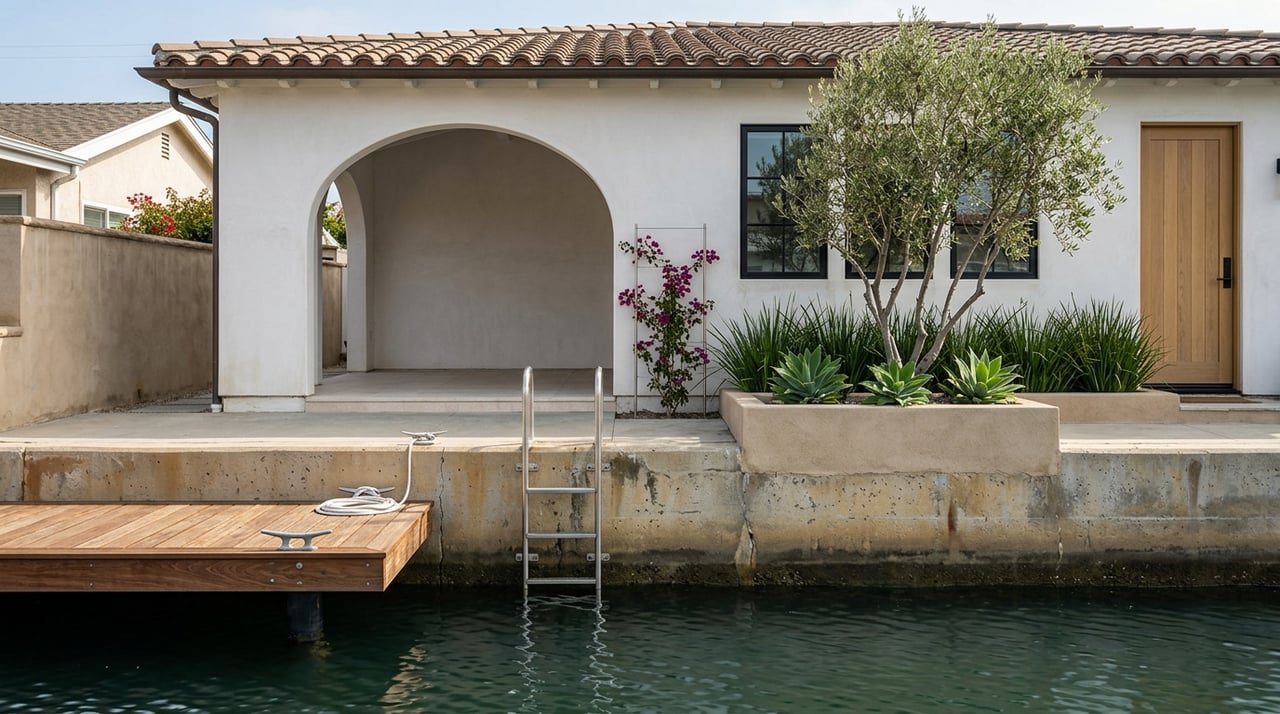
When you buy in Naples, you are often evaluating more than the structure itself. You may also be taking on responsibilities tied to a seawall, dock interface, pilings, boating access, and water-facing exterior systems. Those items can affect both your budget and how you use the property.
For many Naples buyers, the seawall should be one of the first major due diligence items. Long Beach’s 2023 Naples seawall assessment used both landside inspectors and underwater dive teams, which shows how specialized these evaluations can be. A standard home inspection alone may not be enough.
The practical takeaway is simple: treat the seawall as its own system. You will want to understand its current condition, whether repairs have been made, and whether additional work may be needed in the near future. If the city relies on specialized inspection teams, it makes sense for you to consider a waterfront specialist inspector or marine contractor before removing contingencies.
Long Beach records also show the Naples seawall had previously been found in significant disrepair and required phased repair work. That history matters because it suggests the seawall is a long-term maintenance item, not a one-time feature you can ignore after closing.
If the property includes water access, look beyond what you can see from the patio. Long Beach’s seawall assessment involved underwater review, which is a strong signal that submerged and water-exposed elements deserve separate attention. That includes bulkheads, dock interfaces, pilings, and related structural components.
This is especially important if you plan to keep a vessel at the home. What looks functional from above may still need repairs or upgrades below the waterline. For a buyer, this is one of the clearest places where a specialist can help you avoid an expensive mistake.
Waterfront ownership usually means more exterior maintenance, and Naples is no exception. NIST found that climate change can accelerate infrastructure deterioration in coastal areas because higher temperature and humidity can promote steel corrosion. In plain terms, salt air and coastal exposure can wear on metal, fasteners, sealants, and exterior systems over time.
That does not mean you should avoid buying a waterfront home. It does mean you should budget realistically for upkeep. Corrosion-resistant hardware, regular exterior maintenance, and timely repairs can be part of normal ownership in a coastal setting like Naples.
Flood risk is one of the biggest issues to review before buying a waterfront home in Naples. Long Beach says low-lying areas such as Naples are already experiencing coastal flooding, especially during combined high tide and rain events. The city also reports that mean sea level off Long Beach rose about 3.7 inches from 1923 to 2016 and is expected to accelerate in the coming decades.
That long-term trend can affect both current ownership costs and future resale considerations. Waterfront value is not just about views. It is also tied to how well public and private infrastructure keeps up with coastal change.
Do not assume all waterfront parcels carry the same flood profile. Long Beach advises buyers to verify the exact parcel on FEMA’s Flood Map Service Center. The specific zone can affect insurance requirements, costs, and your long-term planning.
FEMA says Special Flood Hazard Areas are affected by a 1% annual chance flood. It also says Zone VE is a coastal high-hazard area with wave action hazards and mandatory flood insurance purchase requirements, and that properties in Special Flood Hazard Areas have at least a 26% chance of flooding over a 30-year mortgage.
Many buyers are surprised to learn that standard homeowners insurance does not cover flood damage. Both Long Beach and the California Department of Insurance say flood coverage is typically separate from a homeowners policy. Long Beach also participates in the National Flood Insurance Program, which makes federally backed flood insurance available and says it is sometimes required by law.
Before you close, ask for real numbers. You will want to understand the estimated premium, deductible, and any lender requirements tied to the property’s location. This is a core part of the monthly cost of ownership for many waterfront buyers.
If you are buying with renovation plans, pay close attention to local flood rules. Long Beach says that if reconstruction, additions, or other improvements reach at least 50% of a building’s market value, the building must meet the same standards as new construction, including elevation above the Base Flood Elevation where applicable.
That can materially change the math on a remodel. A project that looks straightforward at first can become more complex if it crosses that threshold. If you are considering updates, it is smart to evaluate both renovation costs and flood compliance early.
If the home includes mooring rights or dock access, do not stop at the physical inspection. Long Beach says an annual seawall permit is required for every boat moored adjacent to a waterfront property in the Long Beach Marina area. The property owner is responsible for the permit even if someone else owns the boat.
The city also says the permit is non-transferable, requires proof of property ownership and vessel ownership, and limits vessels to pierhead and property-line boundaries. No liveaboards or commercial usage are allowed. The annual fee is charged per foot per year based on vessel length.
That means your boating costs may include more than slip access and maintenance. You may also need to account for permit fees and other ongoing carrying costs tied to the property.
City records show that Naples-area dock and pier use can also involve water-space rent or lease structures. In the Naples seawall repair program, Long Beach used a lease program for private docks and piers on state tidelands, with rent tied to occupied water space.
For you as a buyer, that is an important budgeting issue. The carrying cost of a waterfront property may extend beyond mortgage, taxes, insurance, and routine maintenance. If boating access is part of the appeal, make sure you understand every related cost before you buy.
Planning improvements to a dock or harbor structure is not something to handle casually. Long Beach requires written notice to the Marine Bureau and use of the Harbor Structure Construction Permit process for dock work. The city also warns that failure to obtain the proper permit can result in a $1,000 fine, stoppage of the work, and cancellation of the seawall permit.
The permitting path can include Planning Bureau review, Coastal Commission documentation, CEQA steps, and marine habitat surveys. More broadly, the California Coastal Commission says development in the coastal zone generally may not begin until a coastal development permit has been issued by the local government or the Commission, depending on jurisdiction.
If you are buying a home because you want to modify or expand waterfront features later, confirm what is realistically possible first. A project may be feasible, but timing, cost, and approvals can be more involved than buyers expect.
A home may technically sit on the water and still not work well for your vessel. Long Beach’s Alamitos Bay dredge project says sediment accumulation can make navigation more difficult and increase safety risks for boaters. The project is intended to restore safe navigable depths and support vessel access into Naples Island and the broader bay.
This is why actual use matters more than listing language. If boating is a priority, confirm that your intended boat fits current channel conditions and that navigation depth works for your plans. It is also worth asking whether future dredging or navigation limitations could affect access.
The City of Long Beach’s adaptation planning for Naples and nearby shoreline areas includes monitoring, seawall upgrades, elevated streets and pathways, living-shoreline or berm options, and feasibility study of a storm-surge barrier at Alamitos Bay. That tells you something important about waterfront ownership here. The market is not static.
In Naples, long-term value depends on more than architecture and location. It also depends on how the property and surrounding infrastructure adapt over time. Buyers who understand that early are usually better prepared to make smart decisions on budget, maintenance, and future improvements.
Before you move forward on a waterfront home, make sure you can answer these questions:
Long Beach also says city staff can undertake site visits to review flood, drainage, sewer, or retrofitting issues. That can be a helpful layer of local technical guidance as you evaluate a purchase.
Buying a waterfront home in Naples can be incredibly rewarding when you go in with clear eyes. The right property can offer a unique coastal lifestyle, but the smartest buyers look past the view and study the systems, permits, and long-term costs that come with it. If you want practical guidance on evaluating Naples homes, renovation implications, and the real ownership numbers behind the listing, connect with Perry Handy Homes.
Stay up to date on the latest real estate trends.
Whether you're selling, buying, or renovating, Perry Handy Homes brings the expertise, resources, and care to help you succeed—start to finish.