Belmont Heights Fixer Upper or Move-In-Ready Home?
June 25, 2026
June 25, 2026
If you are torn between a fixer and a move-in-ready home in Belmont Heights, you are asking the right question. In this part of Long Beach, the choice is not just about price or finishes. It is also about older architecture, renovation risk, local approvals, and how much time and disruption you are willing to take on. This guide will help you weigh both paths so you can make a smart decision with fewer surprises. Let’s dive in.
Belmont Heights has an older housing stock, with some of its oldest homes dating back to 1905 and a major wave of construction between 1918 and 1923. Many homes reflect styles like Craftsman Bungalow, Mission Revival, Spanish Colonial Revival, Tudor Revival, Victorian, and Neo-Traditional.
That matters because buyers here are often buying character as much as condition. Original windows, porches, trim, stucco details, and roof materials can all affect what a home needs and how renovation work gets handled.
In Belmont Heights, a fixer is not simply a home that needs paint and flooring. Because many properties are older, a fixer can involve hidden system issues, historic features, and a longer approval path if you plan to change the exterior.
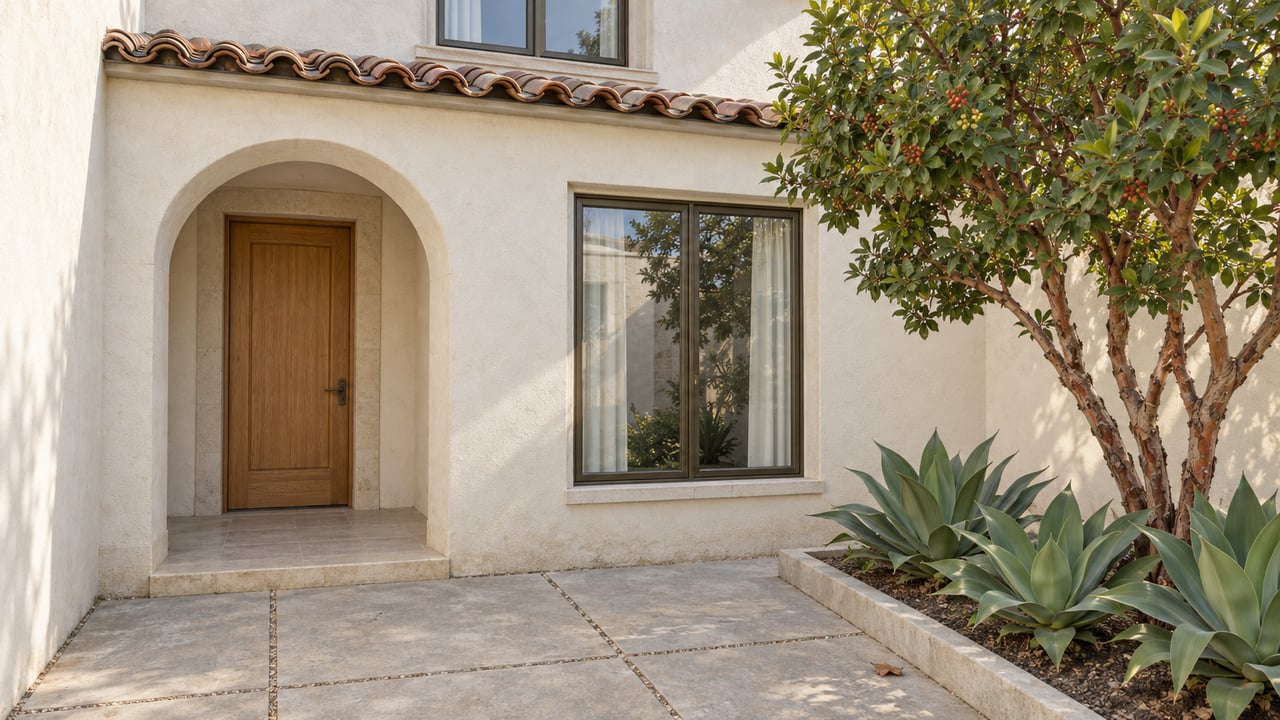
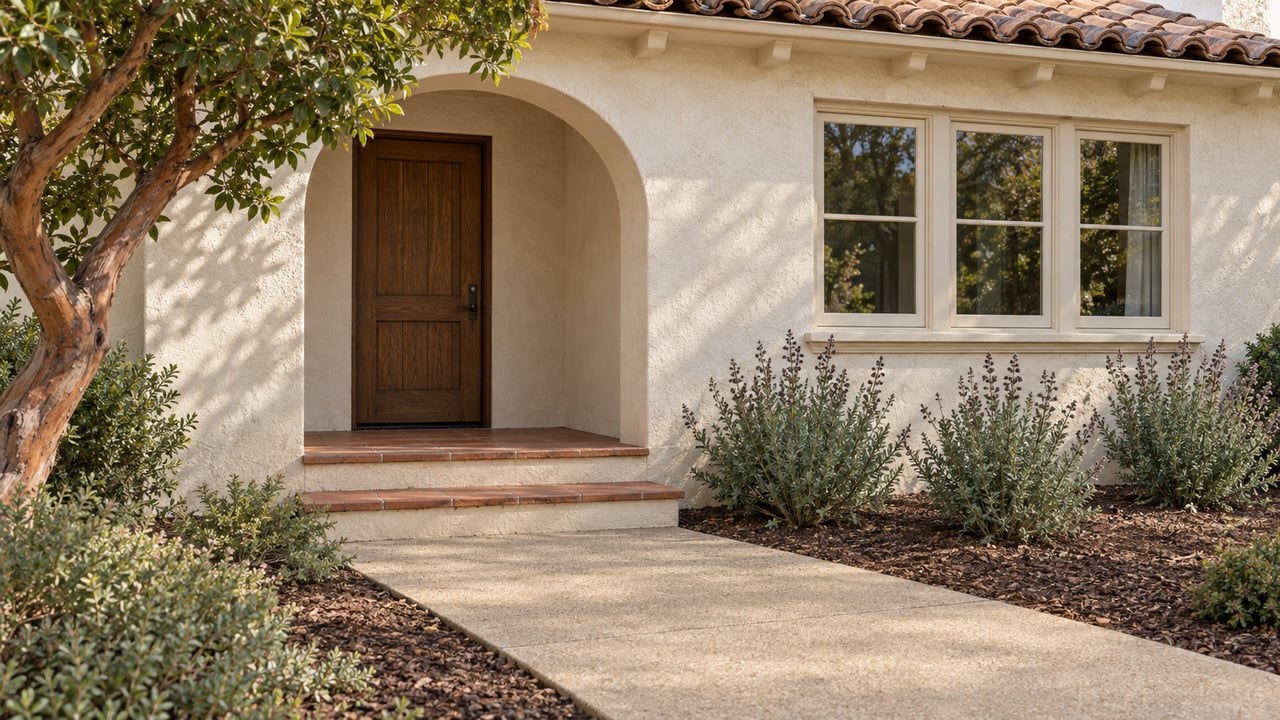
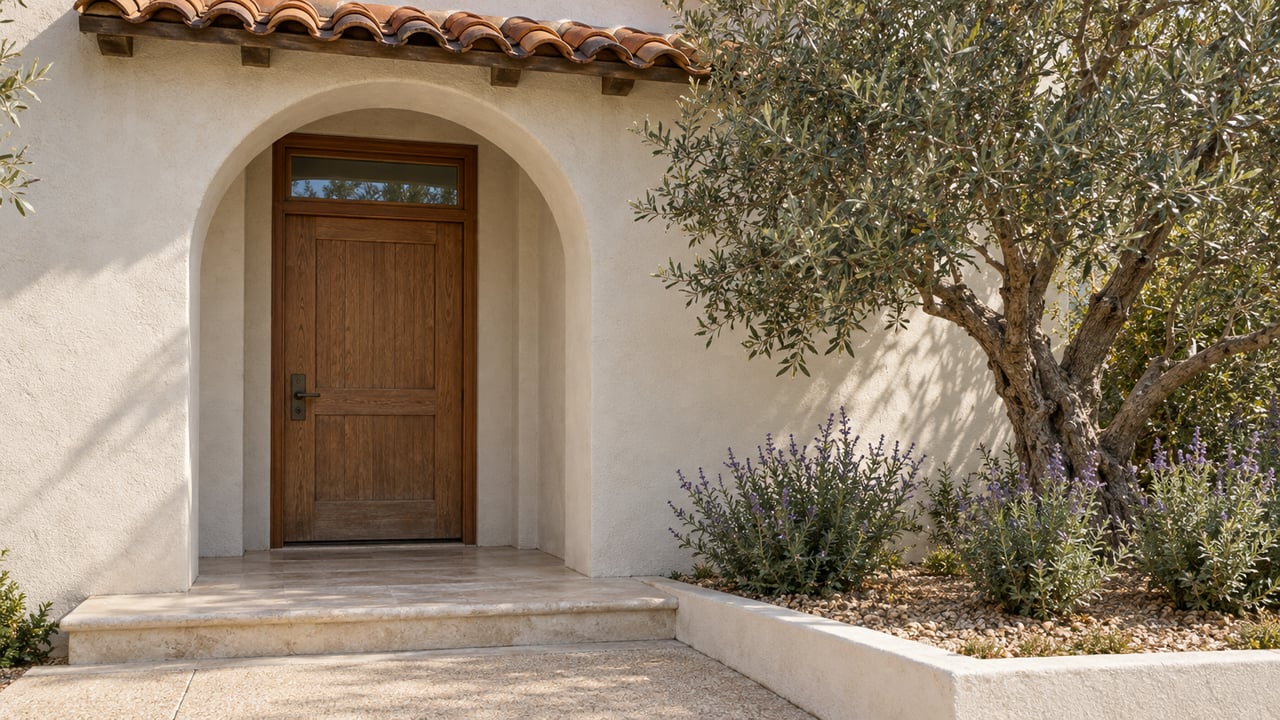
For Craftsman-area homes, common issues can include altered porches, replaced windows, worn wood trim, and other exterior details that no longer match the original design. For Spanish Colonial Revival homes, buyers may run into stucco repairs, roof leak concerns, and the need to match clay tile roofing and exterior finishes carefully.
A Belmont Heights fixer may need work in several places at once. Some of the most common areas buyers should look at include:
When multiple items stack together, the project can move well beyond a cosmetic update.
Older homes can come with issues you do not see during a quick showing. In Belmont Heights, that is a major part of the fixer versus move-in-ready decision.
Homes built before 1978 are more likely to contain lead-based paint, and homes built before 1940 commonly have some lead-based paint. Work like sanding, cutting, and window replacement can create hazardous dust, so renovation planning needs to account for lead-safe practices.
Older materials may also contain asbestos if work will disturb them. On top of that, wood-framed homes in this coastal area should get a careful termite inspection, since drywood termites are common along the Pacific coast and dampwood termites are often found in cool, humid coastal areas.
Some older Long Beach properties may also need seismic improvements. The city notes that older buildings built before more rigorous seismic standards can have soft, weak, or open-front wall lines, which can lead to added structural work beyond cosmetic upgrades.
This is one of the biggest reasons a fixer in Belmont Heights can be more involved than buyers expect. Long Beach says most construction, alteration, replacement, and repair work requires permits and inspections, even though some minor work may be exempt.
The city specifically notes that replacement windows, sinks, toilets, and dishwashers require permits. It also lists examples of express permits, including window replacements, re-roofing, water heater replacement, and some electrical or heating upgrades.
If the property is in a historic district, exterior changes add another layer. Long Beach requires a Certificate of Appropriateness for exterior changes before construction plans are submitted to Building Safety. Items like exterior paint, window replacement, fencing, and front-yard changes can trigger that review.
Belmont Heights is also within Long Beach’s coastal zone planning area, so some renovation plans may require either a Local Coastal Development Permit or a Coastal Permit Categorical Exclusion. If you are planning to change the exterior, add square footage, or significantly alter the facade, you should verify what local approvals may apply before assuming the project is straightforward.
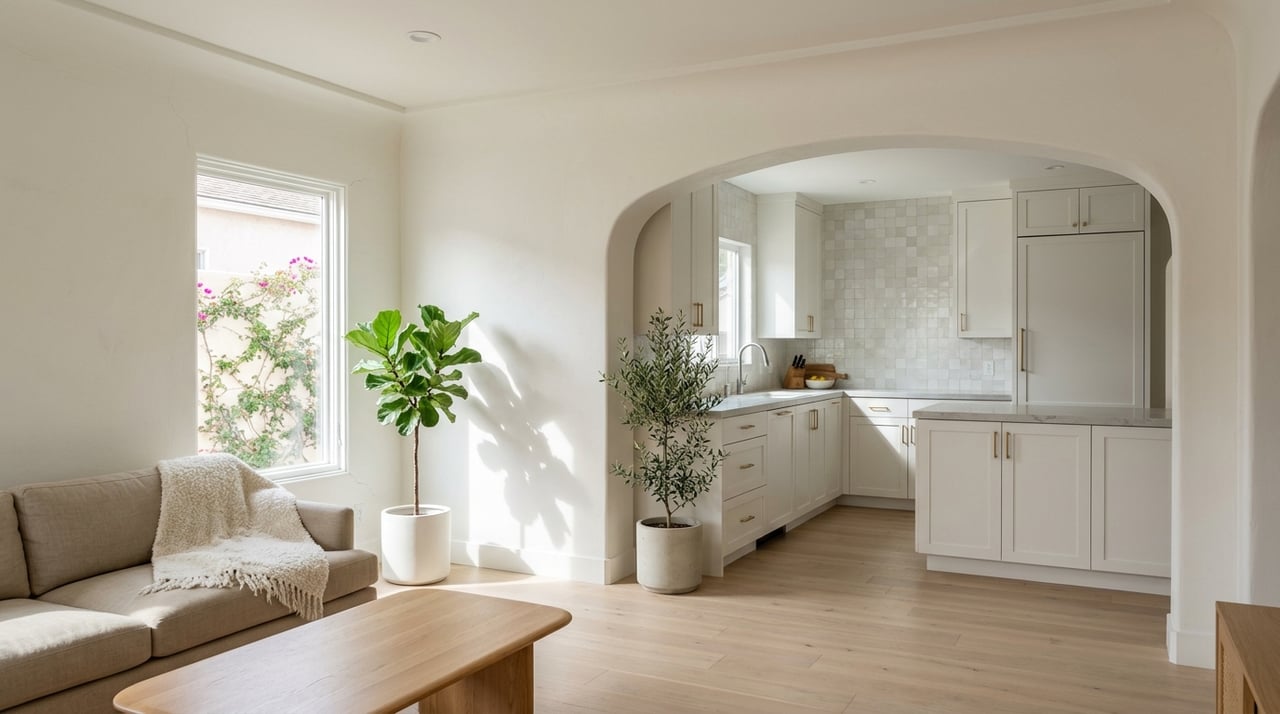
A move-in-ready home usually costs more upfront, but it can reduce a lot of uncertainty. If you are not planning exterior changes, Long Beach says interior alterations and ordinary maintenance or repairs with no exterior changes do not require historic review.
That can mean fewer approval steps, a more predictable move-in date, and less exposure to major renovation surprises. You still need solid due diligence, but the path is usually easier if your goal is to settle in quickly and avoid a long project.
Buyers often focus on purchase price and underestimate project costs. Recent remodeling research shows that renovation spending can add up quickly, and planning often takes much longer than the actual construction.
Houzz found a median renovation spend of $24,000 in 2023, with 51% of renovating homeowners spending $25,000 or more. It also found that the planning phase takes about twice as long as construction.
For a practical benchmark, Angi reports an average kitchen remodel cost of $26,945, with a typical range of $14,586 to $41,527. Bathroom remodels average $12,122, with a typical range of $6,639 to $17,620.
In Belmont Heights, a simple cosmetic project may stay closer to those ranges. A more involved fixer that combines kitchen work, bathroom updates, lead-safe prep, permits, and local review costs can push well beyond them.
Timing is often where fixer buyers get surprised. Even when construction itself feels manageable, planning can slow things down.
Houzz reported that kitchen renovations averaged 9.6 months of planning and 5.1 months of building in 2023. Angi says minor kitchen updates may take 1 to 2 weeks, midrange projects 4 to 8 weeks, and full remodels 8 to 12 weeks or longer. Bathroom remodels often take 2 to 3 months, though smaller projects may finish in 3 to 4 weeks.
If your project affects the kitchen, several bathrooms, or major systems, temporary housing may also need to be part of your budget. That is one more reason a lower purchase price does not always equal a lower total cost.
A fixer can be the right choice if you want original character and are comfortable managing a project. It can also work well if you value customization and have the patience to navigate reviews, permits, and contractor schedules.
A fixer may be a good fit for you if:
In the right situation, a fixer gives you the chance to shape the home around your priorities. But in Belmont Heights, that opportunity usually comes with real oversight, cost, and timeline demands.
Move-in-ready is often the better fit if you want predictability. It can be especially appealing if you need a clear occupancy timeline or want to keep your project list short after closing.
A move-in-ready home may be the better choice if:
In Belmont Heights, paying more upfront for a finished home can be a practical tradeoff if it saves you months of planning and uncertainty.
When buyers compare these two options, the real question is not just, “Which one is cheaper?” It is, “Do I want to pay for finished convenience now, or pay for customization, oversight, and disruption later?”
That is the clearest way to think about Belmont Heights. A fixer is a project. A move-in-ready home is a shortcut to occupancy. Neither option is automatically better, but one will usually fit your budget, timing, and tolerance for complexity better than the other.
If you want help weighing renovation potential against real-world permits, costs, and timelines in Belmont Heights, Perry Handy Homes can help you evaluate the tradeoffs and make a practical plan.
Stay up to date on the latest real estate trends.
Whether you're selling, buying, or renovating, Perry Handy Homes brings the expertise, resources, and care to help you succeed—start to finish.