Long Beach Turnkey Renovation-to-List for Sellers
May 14, 2026
May 14, 2026
If your Long Beach home needs work before it hits the market, you may be wondering whether fixing it up is worth the time, money, and stress. That concern is real, especially when permits, contractors, staging, and listing prep all seem to move on separate tracks. The good news is that a turnkey renovation-to-list approach can bring those pieces together so you can make smart updates with a clear plan. Let’s dive in.
A turnkey renovation-to-list program is a managed process that takes your home from pre-sale planning to active listing. Instead of hiring and coordinating separate vendors on your own, the work is organized as one project with one strategy.
In practical terms, that usually means your pricing strategy, renovation scope, permits, construction, staging, photography, and listing launch are coordinated together. For Long Beach sellers, that matters because even modest pre-list work can involve city approvals, inspections, and scheduling that are easier to manage with a unified plan.
For many sellers, the goal is not a full remodel. It is making the home show better, photograph better, and feel better cared for when buyers walk in.
That lines up with current buyer behavior. According to NAR’s 2025 remodeling and staging research, 46% of buyers are less willing to compromise on home condition, and 83% of buyers’ agents say staging makes it easier for buyers to picture the property as their future home.
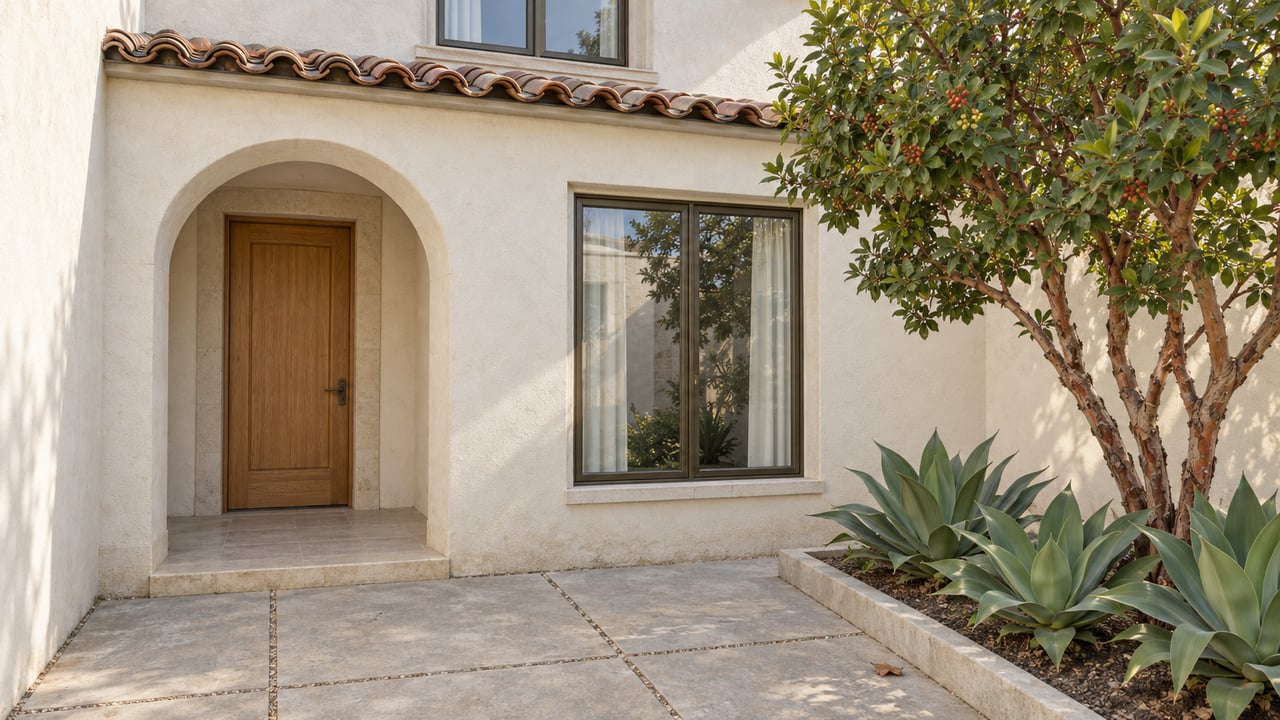
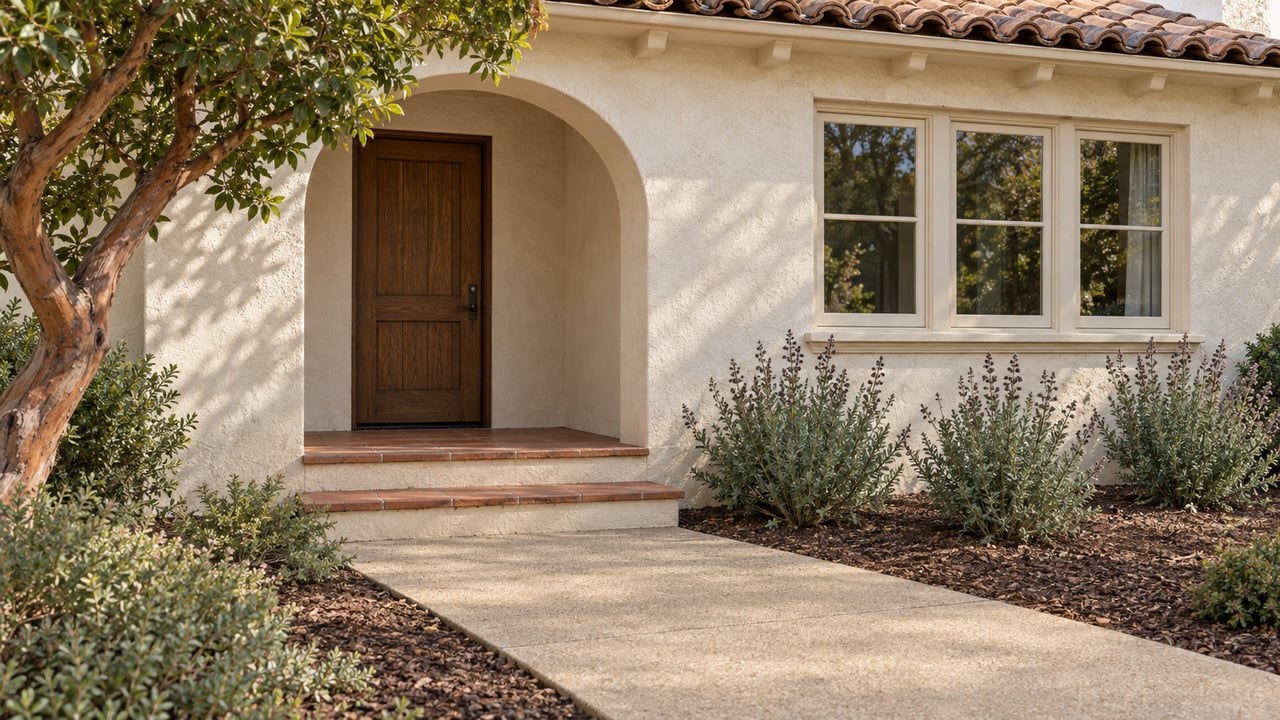
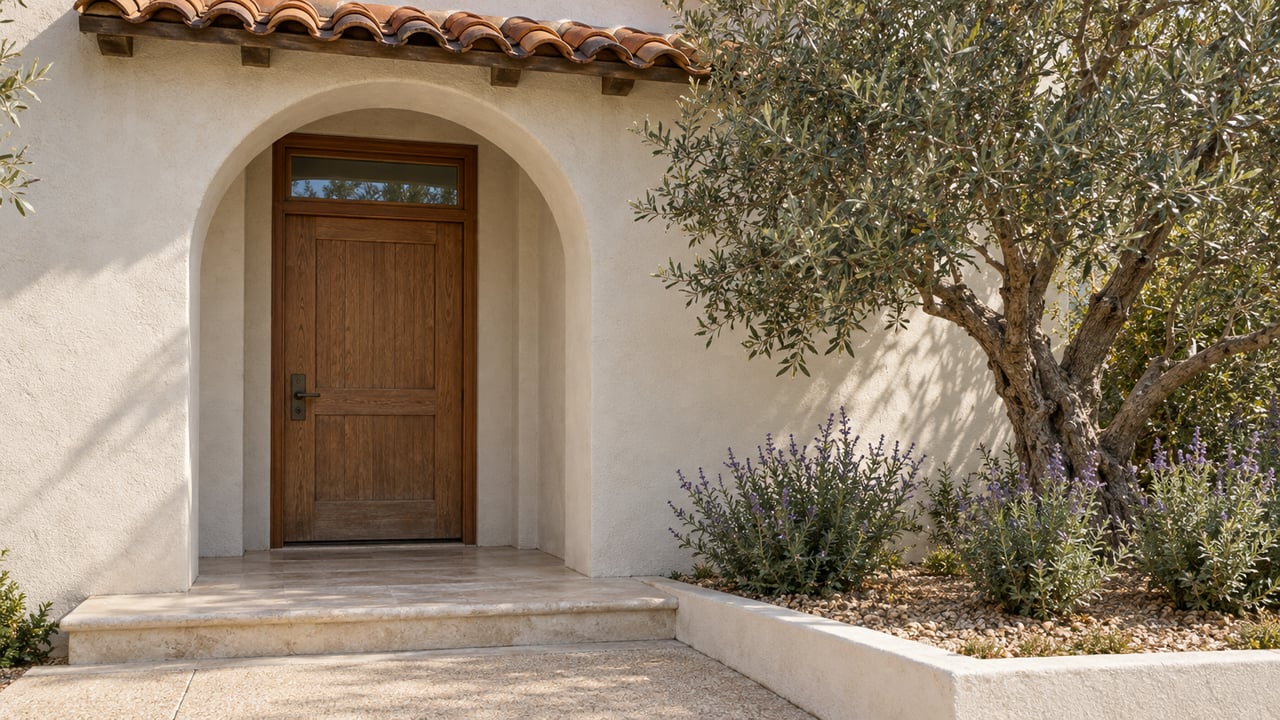
That is why renovate-before-list projects often focus on selective improvements with resale impact. In many cases, the strongest candidates are:
These are the kinds of changes that can improve first impressions in person and online. They also tend to support a cleaner market position without turning your pre-sale prep into a long, expensive overhaul.
A well-run turnkey project follows a clear sequence. Each phase informs the next, which helps you avoid rework and last-minute surprises.
The first step is understanding your home’s likely market position in its current condition and with targeted improvements. That helps shape a practical scope based on likely return, timeline, and the expectations of buyers in your part of Long Beach.
This is where a seller should answer a few key questions:
At Perry Handy Homes, this planning stage is part of the value proposition. The brand’s model combines brokerage, remodeling, and staging so the scope can be built around marketability, not just construction wish lists.
In Long Beach, permit review is a major part of pre-list planning. The city states that most construction activities, including alterations, replacements, and repair work in dwellings, require permits and inspections, though some minor work may be exempt depending on the Building Official’s determination.
That means sellers should not assume a project is permit-free just because it feels straightforward. Window replacements, bathroom repairs, and kitchen remodels may qualify for Express Permits, while larger or more complex alterations may require formal plan review.
If your project includes more than one type of work, Long Beach also allows a consolidated application. That can simplify the city process when the scope includes multiple trades.
Some Long Beach homes have extra review layers that can affect timing. If a property is in the coastal zone, certain projects may need a Local Coastal Development Permit or a Coastal Permit Categorical Exclusion before a building permit can move forward.
If the home is a historic landmark or sits within a historic district, exterior changes require a Certificate of Appropriateness before work begins. That can apply to seller-facing items like windows, doors, exterior paint, and re-roofing.
This is one reason integrated project management matters. A renovation plan that looks simple on paper can slow down quickly if local review requirements are missed early.
The timeline for a turnkey renovation-to-list project usually has two parts: approval time and construction time. Those are not the same, and understanding the difference can help you plan your move and listing date more realistically.
Long Beach’s planning application materials say typical Site Plan Review and Zoning Administrator projects are scheduled about 6 to 8 weeks after a completed application is received. Planning Commission and Cultural Heritage Commission projects are typically scheduled about 10 to 12 weeks after a completed application is received, with more complex projects sometimes taking longer.
For simpler seller-prep work, the schedule may be shorter if the project qualifies for the city’s express or over-the-counter pathways. Still, permit timing depends on scope, completeness of submittals, and whether the home falls under coastal or historic review.
On the construction side, scheduling also matters. Long Beach states that building permits are issued to licensed contractors with an active Long Beach business license, and permits can become null and void if work does not begin within 90 days or is abandoned for 90 days.
In other words, momentum matters. A loose plan can create delays that push your listing back further than expected.
A good renovation-to-list project works best when each role is clear. Even if one firm coordinates everything, the responsibilities still need to be organized.
The brokerage side handles pricing strategy, market positioning, and the final listing plan. This keeps renovation decisions tied to buyer expectations and likely sale proceeds.
The general contractor manages the scope of work, trade scheduling, quality control, and inspections. This is the part that keeps the job moving from idea to completion.
Someone needs to handle city paperwork, follow-up, and submittal tracking. In Long Beach, this step can make a real difference because the local permit path depends on project type and property location.
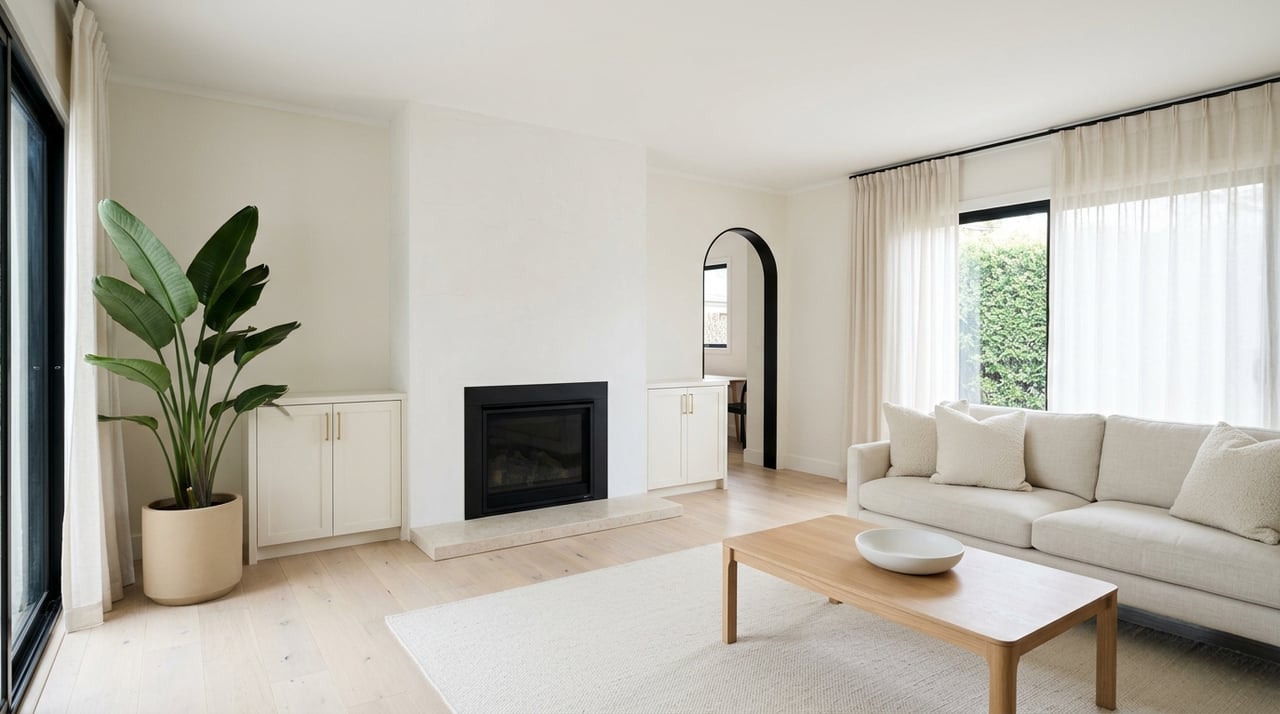
Once the work is done, staging helps the home feel cohesive and move-in ready. NAR’s 2025 staging research found a median spend of $1,500 when using a staging service, with staging often centered on the living room, primary bedroom, and dining room.
That final presentation step matters because buyers usually form opinions quickly, first online and then in person. Strong staging and photography help the renovation work pay off.
Perry Handy Homes is positioned around this exact workflow. The firm markets itself as a one-stop brokerage, construction, and staging team with one point of accountability from preparation through listing.
A pre-list project budget is usually more than just labor and materials. If you want a realistic number, it helps to break the cost into separate buckets.
Most turnkey seller budgets include:
Long Beach’s fee schedule guidance says sellers should expect about 2% of building costs for plan checks, permits, inspections, and other agency fees, though the city also notes that fees are approximate and vary by scope. That is why permit costs should be part of the initial budget, not a surprise at the end.
The smartest budgets stay focused on updates that support resale value and marketability. In most cases, that means prioritizing visible, high-impact work over highly personalized upgrades.
Renovating before you list does not replace your disclosure duties. In California, the Real Estate Transfer Disclosure Statement is a disclosure of property condition, not a warranty.
The California Department of Real Estate also states that listing and selling brokers must conduct a reasonably competent and diligent visual inspection of accessible areas and disclose material facts that affect value, desirability, and intended use. That means a clean listing process includes both physical prep and disclosure prep.
California also requires Natural Hazard Disclosure covering items such as flood, dam-failure, fire, earthquake fault, and seismic hazard zones. A third-party consultant may prepare the form, but delivery obligations still matter.
For older Long Beach homes, lead-based paint rules can also come into play. The EPA states that sellers of most pre-1978 homes must disclose known lead-based paint hazards before sale, provide the lead information pamphlet, and allow a 10-day inspection or risk-assessment period. The EPA also states that paid renovation work disturbing painted surfaces in pre-1978 housing is generally covered by lead-safe work rules.
The biggest advantage of turnkey renovation-to-list is not just convenience. It is coordination.
When pricing, permits, construction, staging, and listing are handled as one connected process, you are less likely to run into mismatched vendor timelines, incomplete city submittals, or last-minute listing delays. That matters in Long Beach, where permit scope and special review layers can affect your schedule more than many sellers expect.
An integrated model also gives you one strategy from start to finish. Instead of asking each vendor what they think should happen, you get a resale-focused plan built around timing, presentation, and market readiness.
If you are thinking about selling in Long Beach, a renovation-to-list program can be a practical way to improve your home’s presentation without losing control of the process. If you want a single team to guide the scope, manage the work, and bring the home to market with clear accountability, schedule your free home valuation and renovation consultation with Perry Handy Homes.
Stay up to date on the latest real estate trends.
Whether you're selling, buying, or renovating, Perry Handy Homes brings the expertise, resources, and care to help you succeed—start to finish.