Love the clean lines and indoor-outdoor flow of your Los Cerritos mid-century, but not the drafty windows or dated kitchen? You are not alone. Many neighbors want to protect the character that makes these homes special while improving comfort, safety, and efficiency. In this guide, you will learn which upgrades add the most value, what new California codes mean for your plans, how to tap local programs, and how to phase work to avoid redoing anything later. Let’s dive in.
Why Los Cerritos homes deserve care
Los Cerritos sits within Bixby Knolls and blends early 20th-century properties with post-war ranch and mid-century designs. The neighborhood’s identity and active community are part of the appeal. For a quick local primer, explore the Los Cerritos Neighborhood Association and visit the historic Rancho Los Cerritos site.
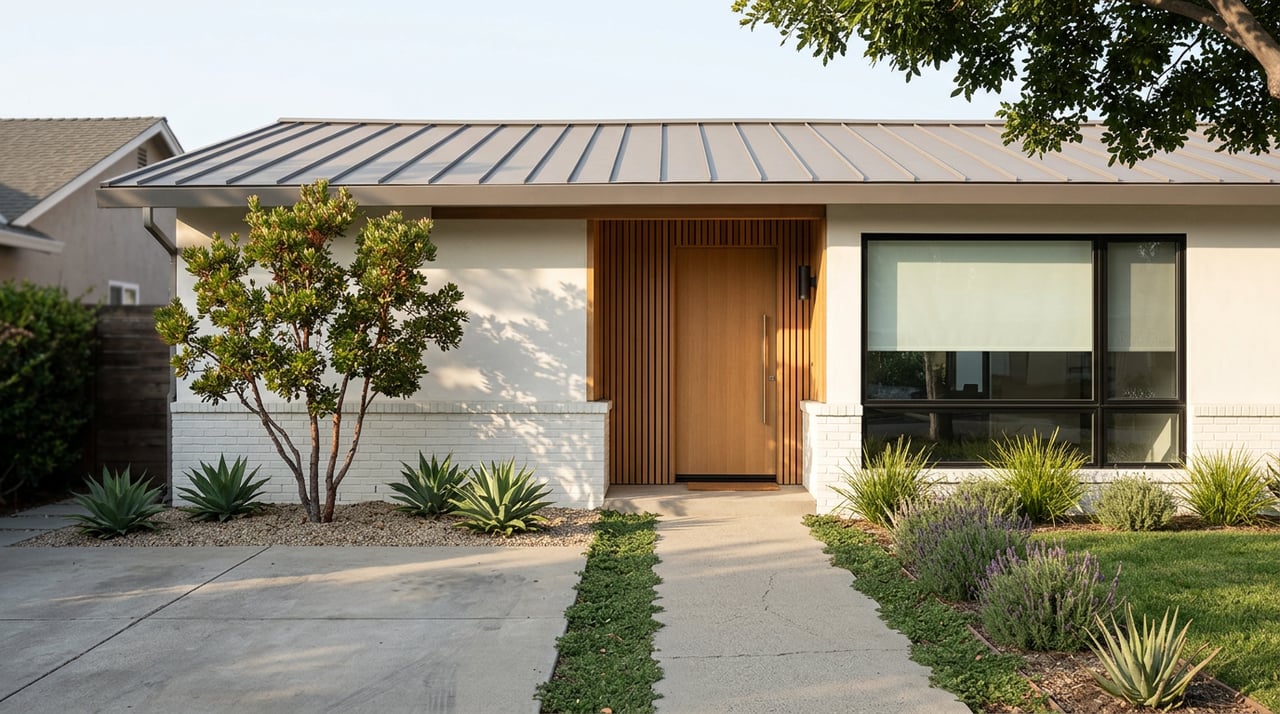
Buyers here value original details. Low rooflines, wide eaves, post-and-beam ceilings, long sightlines to the yard, and built-ins all signal mid-century authenticity. Preserve those features while you improve the parts you cannot see, and your home will live better and sell stronger.
Start with systems and envelope
Begin where upgrades do the most good without changing what you love to look at.
- Air sealing and attic insulation. These reduce drafts and stabilize temperatures. They are invisible once complete and usually quick to install.
- Right-sized heat pump HVAC. Heat pumps are efficient and can heat and cool in one clean system. California’s 2025 energy standards emphasize electric-readiness and heat pump technology. If your project needs permits filed on or after Jan 1, 2026, it must meet the 2025 Building Energy Efficiency Standards.
- Electrical panel and service. Many mid-century homes need a panel upgrade before adding a heat pump, EV charging, solar, or a battery. Plan this early so you do not hit delays later.
These steps raise comfort, lower bills, and protect resale. They also set you up for future electrification without tearing into finished spaces twice.
Keep the character visible
The best mid-century updates are respectful. Repair first, replace sparingly.
- Windows. Restore and weatherstrip original windows where feasible. Consider interior or slim exterior storm panels for better performance without changing sightlines. The National Park Service encourages repair and reversible measures because they usually preserve character and perform well. Learn more from the NPS preservation briefs on windows and energy efficiency in historic buildings at the NPS Technical Preservation Services.
- Floors and built-ins. Refinish hardwood or terrazzo before choosing new materials. Keep or reface built-ins so proportions and period lines remain intact.
- Sightlines. When you refresh a kitchen, avoid blocking the long views to the yard. That indoor-outdoor connection is a signature feature that buyers prize.
Projects with the best ROI here
Local buyers respond to clean, well-executed upgrades that respect the home’s era. Regionally, the 2025 Cost vs Value report shows strong payback for certain exterior items and solid results for modest kitchen projects in the Los Angeles area. See the Los Angeles region data in the Remodeling Cost vs Value report.
- Minor kitchen refresh. Reface or paint cabinets, add new counters, update lighting, and replace appliances. Keep the layout if it works. This holds costs down and respects the home’s flow.
- Bathroom update. Choose neutral finishes that complement mid-century lines. Keep or echo original tile patterns when possible.
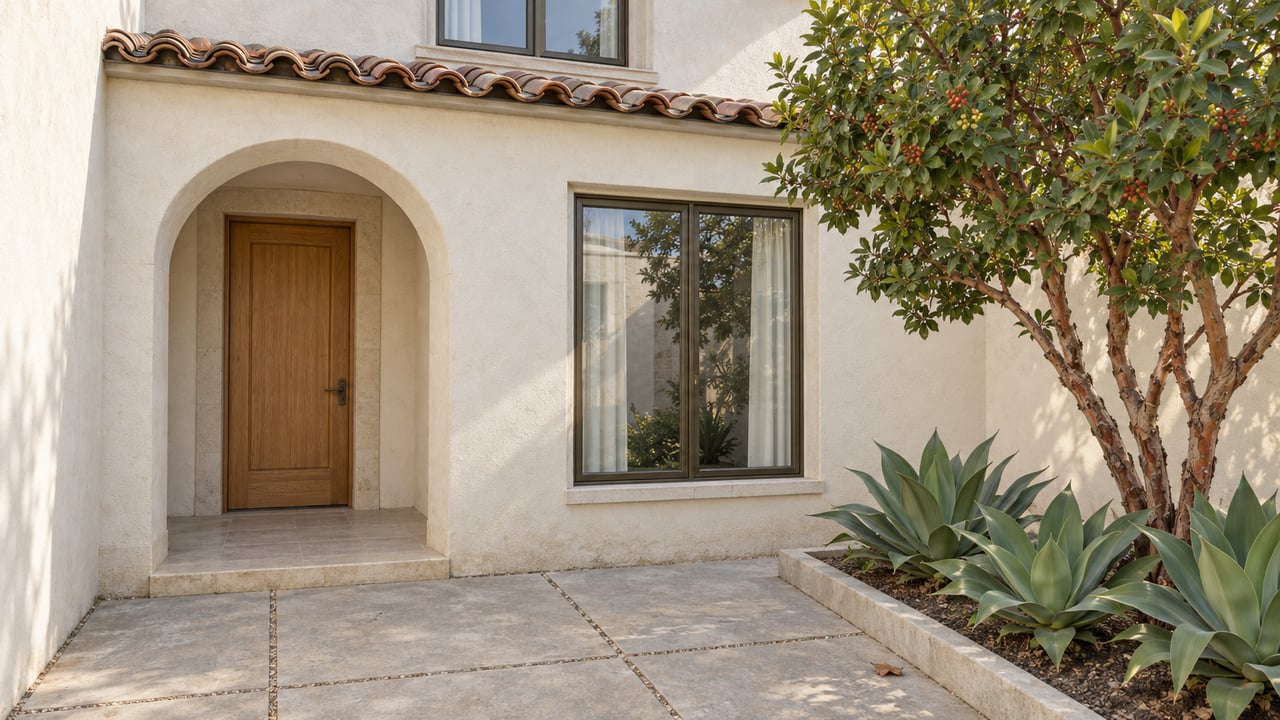
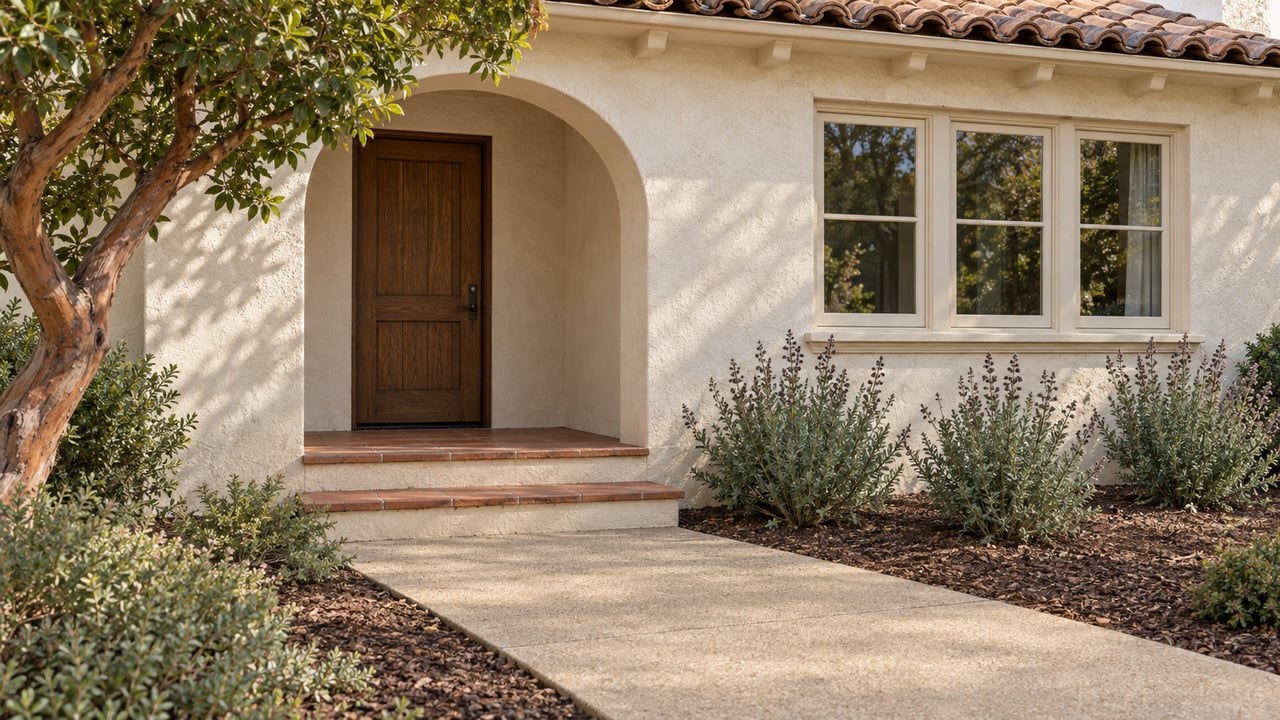
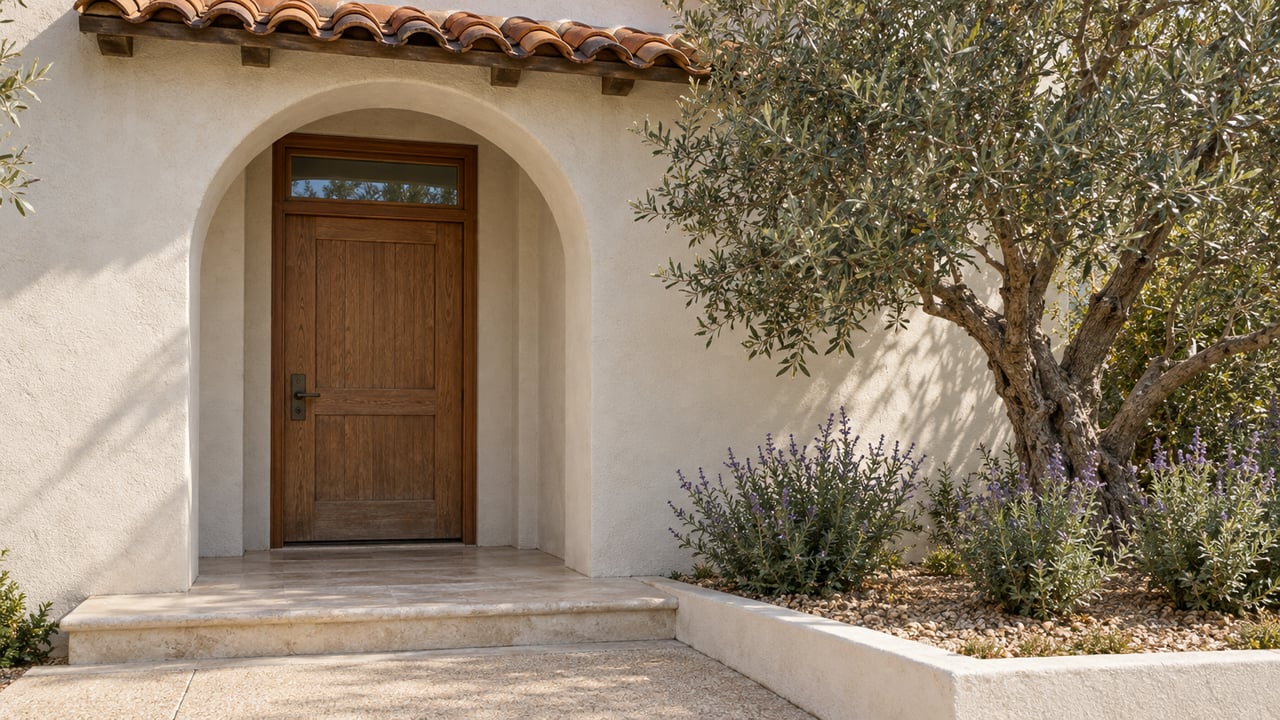
- Entry and garage doors. Clean-lined, high-quality doors can transform curb appeal and deliver outsized recoup at resale.
- Selective exterior updates. Address siding or veneer only where needed. Pair with simplified landscaping for crisp, low-maintenance curb presence.
Permits, plan check, and how codes affect you
Title 24 matters. If your permit application is submitted on or after Jan 1, 2026, you will need to comply with the 2025 standards. Expect plan reviewers and contractors to ask whether your work triggers alteration rules, such as electric-readiness for appliances or heat-pump water heater baselines. Review the 2025 Building Energy Efficiency Standards early in planning.
In Long Beach, permit paths differ by scope. Some small projects can be handled over the counter, while additions, ADUs, and major alterations go through submitted plan review. Get familiar with the City’s Plan Review Service so you can set realistic timelines. Plan review duration and inspection scheduling often drive total project length.
Incentives and grants to check first
Program windows change often. Confirm eligibility and reservation status before you count on rebates.
- Heat pump and heat pump water heater incentives. Availability has fluctuated across California. Check current contractor eligibility and reservation status on TECH Clean California.
- Solar plus battery storage. Incentives for storage have come through state programs in the past. Availability and rules change over time, so confirm with your utility or program administrator.
- Seismic retrofits. California’s Earthquake Brace + Bolt and Earthquake Soft-Story programs offer grants to eligible homeowners for common retrofits. Typical brace-and-bolt projects often range from about $3,000 to $7,000, and grants have historically been up to about $3,000 for EBB. Check current programs and ZIP code eligibility at the California Residential Mitigation Program FAQs.
- Federal tax credits. Rules changed in 2025. Verify current IRS guidance before assuming a tax credit will apply.
Safety rules for older homes
If your home was built before 1978, lead-safe practices are critical when disturbing paint. The EPA’s Renovation, Repair and Painting Rule requires certified renovators and proper containment. Learn more about lead disclosure and RRP at the EPA’s lead program page. Mid-century homes can also include asbestos in some flooring, mastics, or insulation, so plan for testing and safe abatement where needed.
Practical timelines you can expect
Actual timelines vary by scope, permits, and material lead times, but here are common ranges used by contractors:
- Cosmetic refresh. Interior paint, hardware swaps, floor refinishing: about 2 to 6 weeks.
- Bathroom remodel with no layout change. About 4 to 8 weeks from demo to finish.
- Kitchen refresh. Refacing, counters, appliances, lighting: about 4 to 8 weeks of construction. Full gut with layout changes can run 8 to 20+ weeks plus plan review.
- HVAC heat pump changeout. Often 1 to 3 weeks once sizing, permits, and any electrical work are in place.
- Seismic brace-and-bolt. Often 1 to 4 weeks once permitted and scheduled.
Book inspections early and keep paperwork tidy. Many delays come from missed inspections, incomplete submittals, or late material selections.
Smart sequencing to avoid rework
Map the order of work before you start. This saves time and money.
- Roof before solar. Combine roof and solar planning so you do not remove arrays later.
- Electrical panel before major electrification. Upgrade service and panel before installing a heat pump, EV charger, or induction range.
- Structural and seismic work before finishes. Complete foundation or brace-and-bolt work before flooring and trim.
- Windows and exterior paint together. Coordinate to protect new finishes and ensure tight weatherproofing.
Example sequence for a kitchen + heat pump + solar project:
- Assessment and design. Whole-house systems audit, preservation inventory, concept plan.
- Permits and panel upgrade. Confirm Title 24 triggers, upgrade electrical service if needed.
- Seismic or structural fixes. If required, complete now.
- Roof replacement. If due within 5 years, do it now.
- Solar and conduit rough-in. Coordinate with roof and panel.
- Heat pump install. Test and commission.
- Kitchen refresh. Cabinets, counters, lighting, appliances. Protect sightlines to the yard.
- Final paint, punch list, and staging.
Water-wise curb appeal that fits the era
Los Cerritos yards often frame long, low facades. Simple, drought-tolerant landscaping keeps the composition clean and lowers water use. Long Beach’s Lawn-to-Garden program offers resources and rebates to replace turf with climate-appropriate plantings and efficient irrigation. Pair a clean-lined entry door and updated garage door for a curb-appeal lift with strong ROI potential.
Hiring checklist for mid-century updates
Use this quick list to find the right team and set your project up for success:
- Licensed general contractor with experience in period homes and Long Beach permitting paths. Ask about the City’s over-the-counter vs submitted plan review process.
- EPA RRP certification for any pre-1978 paint disturbance. Request proof.
- Preservation-forward approach. Ask how they plan to repair windows, protect built-ins, and keep sightlines.
- Code knowledge. Confirm familiarity with the 2025 Title 24 standards and electric-readiness.
- Sequencing plan. Request a written order of operations that coordinates panel, roof, HVAC, windows, and finishes.
- Transparent budget and schedule. Hold a contingency for lead or asbestos abatement and any structural surprises.
Ready to renovate or prep to sell?
If you want upgrades that respect mid-century character and deliver measurable resale results, you need an integrated plan. As a boutique brokerage and licensed general contractor in one, we coordinate design, permits, construction, staging, and sale preparation so you do not have to manage a dozen vendors. When your goal is a move-in-ready home or a renovation-to-market sale, we guide you from scope to finish with clear timelines and ROI-driven choices. Connect with Perry Handy Homes to get a custom plan and budget for your Los Cerritos property.
FAQs
What makes updating a Los Cerritos mid-century home different?
- You are preserving signature features like low rooflines, post-and-beam ceilings, and long yard views while upgrading comfort and safety through invisible improvements first.
How do the 2025 California energy standards affect my remodel?
- Permit applications on or after Jan 1, 2026 must follow the 2025 Title 24 standards, which emphasize heat pumps and electric-readiness, so plan HVAC and water-heating choices early.
Should I replace original mid-century windows or restore them?
- Start with repair, weatherstripping, and storm panels to preserve sightlines and improve performance, and reserve full replacement for units that cannot be repaired.
Which projects usually deliver the best resale value in the Los Angeles region?
- Modest kitchen refreshes and high-visibility exterior items like entry and garage doors often show strong recoup according to the Los Angeles Cost vs Value data.
What incentives or grants can help pay for upgrades in Long Beach?
- Check current availability for heat pump incentives on TECH Clean California, seismic grants on CRMP’s EBB/ESS, and local water-wise landscape rebates through Long Beach Lawn-to-Garden.
How should I phase a kitchen, heat pump, and solar project?
- Upgrade the electrical panel first, handle any seismic or roof work, then install solar and the heat pump, and finish with kitchen updates and final paint.