Smart Belmont Heights Pre Sale Renovation Decisions
February 5, 2026
February 5, 2026
Thinking about sprucing up your Belmont Heights home before you list it? You are not alone. Many sellers here weigh whether a refresh or remodel will boost their sale price and speed up the process. You want to protect your bottom line, avoid permit headaches, and still meet what buyers expect in this historic, character-rich neighborhood. In this guide, you will learn how to decide what to fix, where updates pay off, how permitting affects timelines, and when selling as-is makes more sense. Let’s dive in.
Belmont Heights is filled with early to mid-20th-century homes, including Craftsman, Spanish Revival, and period cottages. Buyers are drawn to original details, but they also expect functional systems and clean, updated spaces. That balance matters when you choose which projects to tackle.
Common buyer priorities include sound structure, updated electrical and plumbing, a solid roof, and moisture or insulation protection. Many buyers also want refreshed kitchens and bathrooms, neutral finishes, and move-in-ready condition that respects the home’s character. If your home checks most of these boxes, you may only need light updates and strong presentation to compete.
A simple check: Projected sale price after renovation minus selling costs, loan payoff, renovation costs, contingency, permit fees, and holding costs. If the result is materially positive within your timeframe, proceed. If it is marginal or negative, scale back or sell as-is.
Address roof issues, major plumbing or electrical hazards, HVAC problems, water intrusion, termite damage, and structural concerns. These items often appear during inspections and can cause price reductions or failed escrows if left unresolved. Typical timelines range from 1 to 6 weeks depending on scope.
These fixes build buyer confidence and support smoother negotiations. Even if you do little else, resolving known hazards can protect your sale price and reduce repair credits.
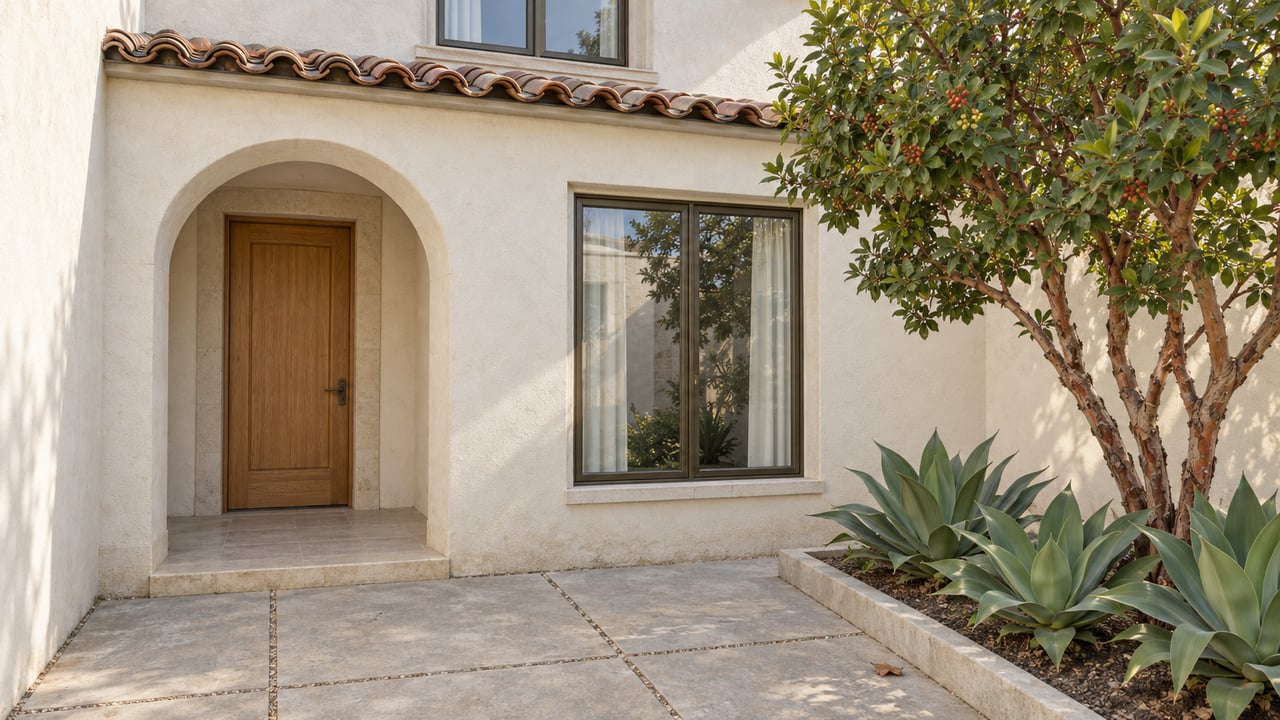
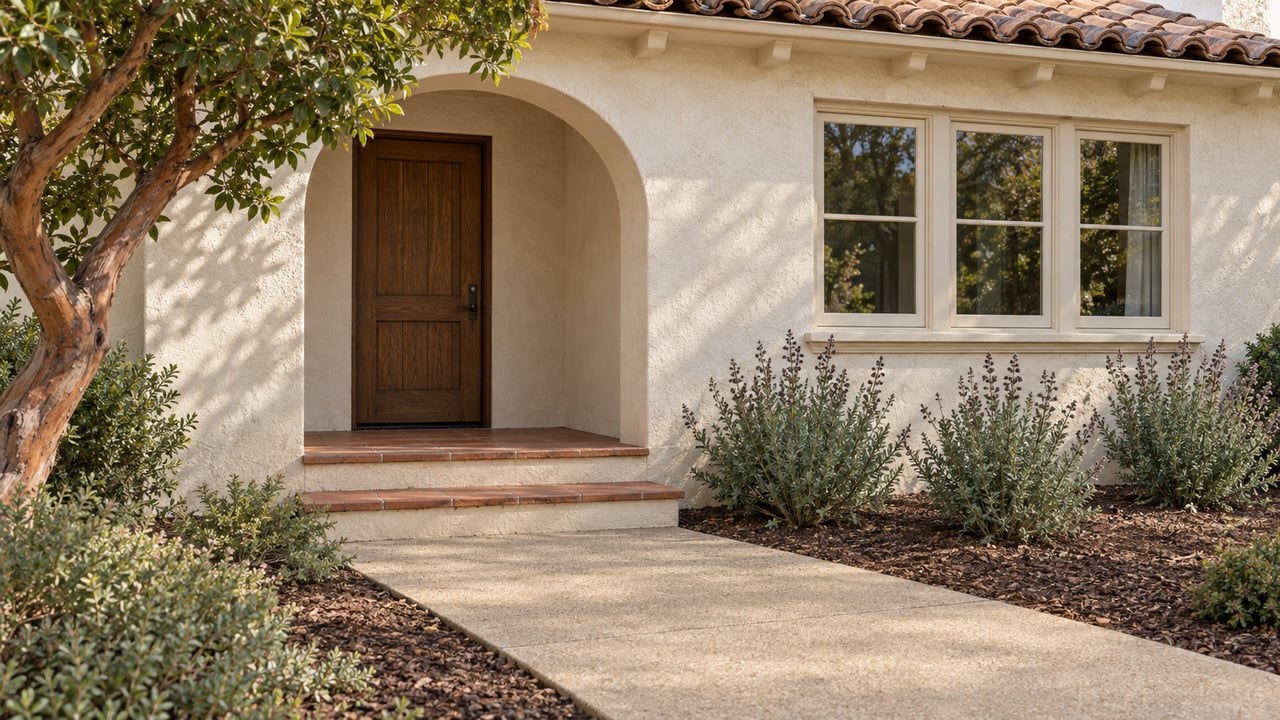
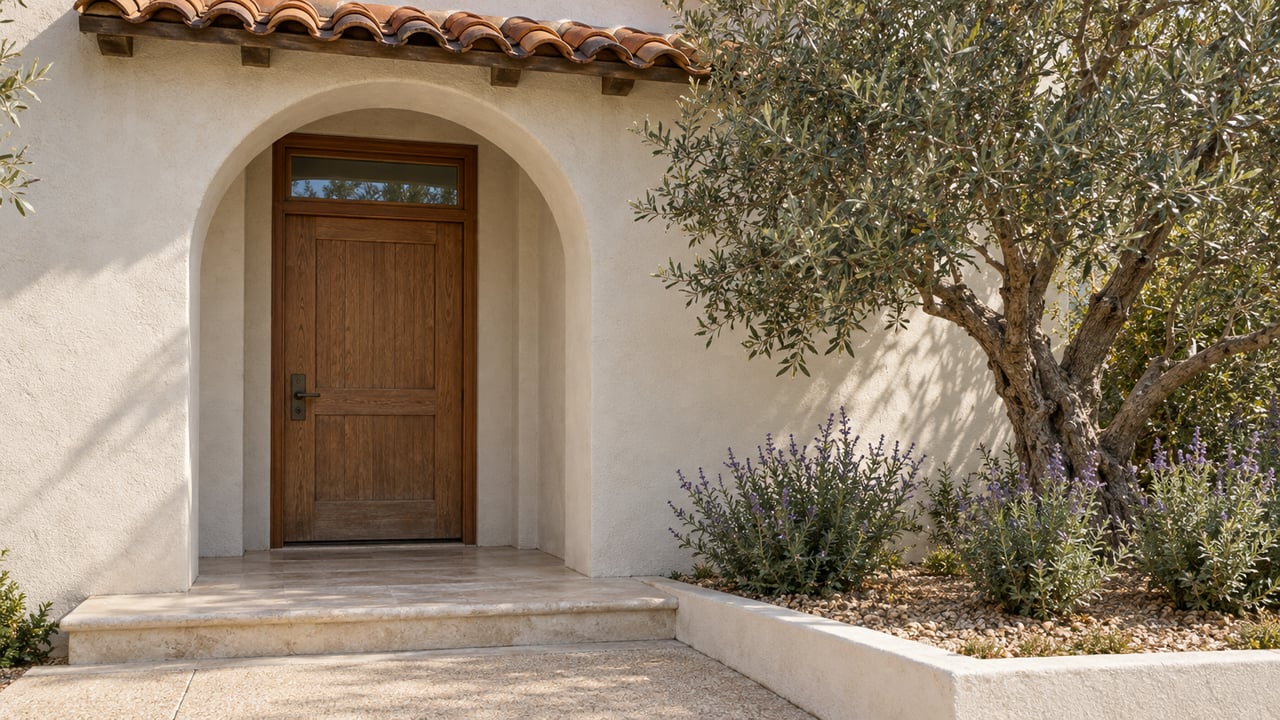
First impressions matter. Landscape cleanup, fresh mulch, trimmed hedges, power washing, and porch lighting upgrades all help. Consider exterior paint or touch-ups, a new or refinished front door, and walkway repairs as needed.
Most curb appeal work completes in 1 to 3 weeks. These improvements are relatively low-cost and can drive more showings and better initial offers.
Inside, focus on fresh neutral paint, updated light fixtures, modern hardware, refinished or replaced flooring when needed, and deep cleaning. Preserve original details that define Belmont Heights character where possible.
These updates often finish within 1 to 4 weeks. They create a cohesive, move-in-ready feel that broadens your buyer pool and helps your photos stand out.
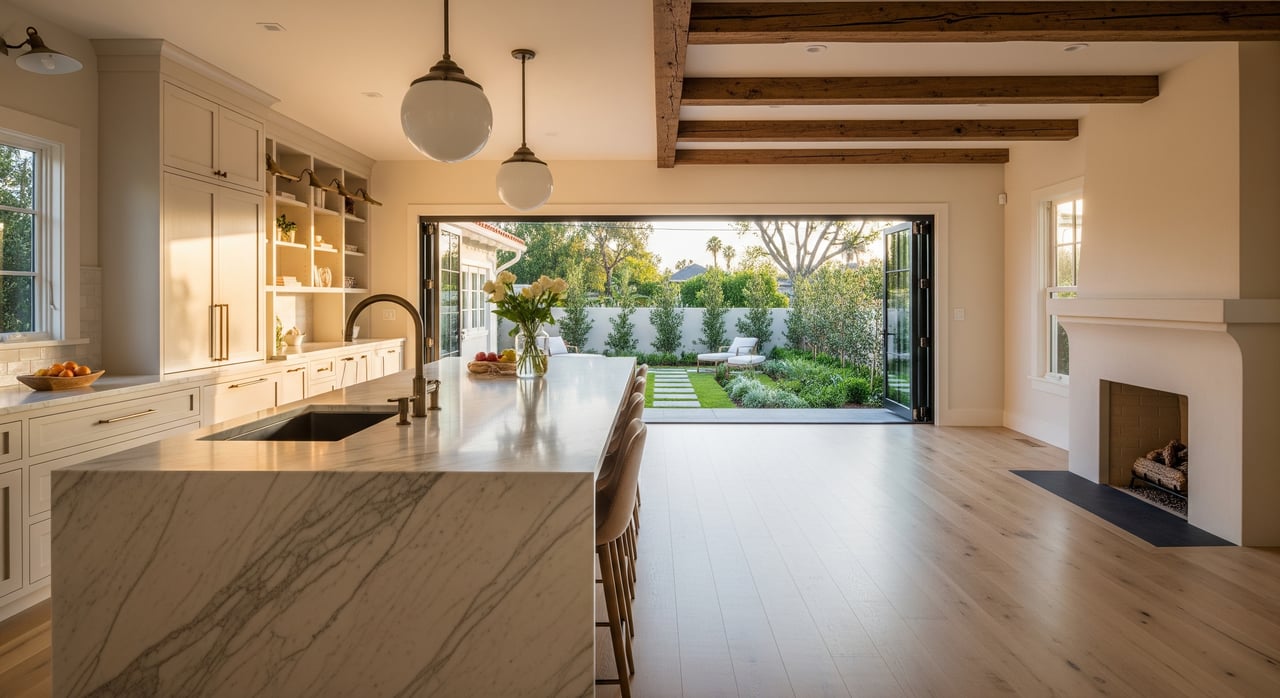
Start with a kitchen refresh. Cabinet refacing or painting, new quartz or engineered stone counters, modern hardware, a new sink and faucet, updated appliances, and better lighting can make a big difference. Expect 2 to 8 weeks for most refresh projects.
A full remodel with layout changes and custom cabinetry can take 6 to 12 or more weeks and often requires permits. While it can lift your price in higher brackets, it may recoup a lower share of cost than a midrange refresh. Avoid over-improving relative to the neighborhood.
Bathroom refreshes can be efficient value plays. Regrout tile, replace vanities, counters, and fixtures, and brighten lighting. Update shower tile if needed for condition and appeal.
Cosmetic bathroom work typically takes 1 to 4 weeks per bathroom. Clean, functional bathrooms rank high for buyer confidence and perceived value.
Consider water heater or HVAC replacement, insulation improvements, smart thermostats, and efficient lighting. Double-pane windows can also help, subject to any historic guidelines for exteriors.
While the dollar-for-dollar ROI varies, these updates reduce buyer concerns and can be effective marketing points. For older homes, ensuring systems are up to date often supports stronger offers.
Additions and ADUs can add long-term value. However, they require extensive design, permitting, and construction with typical timelines of 6 to 12 or more months. If you plan to sell soon, this approach is usually not practical. Review local ADU and zoning rules before committing.
In Long Beach, many interior cosmetic projects proceed quickly, but structural, electrical, plumbing, and exterior work usually requires permits and inspections. Parts of Belmont Heights may also fall under historic review or design guidelines, especially for façade, roof, or window changes.
Plan for permitting and inspection scheduling to add several weeks to months, depending on scope and review needs. Start permit research early if you expect to touch systems or modify exteriors. Disclose any unpermitted work. Major systems or structural work done without permits can reduce offer strength or require corrections in escrow.
Consider an as-is sale if you need to move quickly, the cost to reach a competitive price exceeds expected gains, or investor activity is strong at your target price. Selling as-is can also be wise if the home needs extensive structural or unknown repairs that carry high budget and timeline risk.
If time and budget allow, combine basic safety fixes with low-cost cosmetic updates to improve photos and first impressions. This hybrid strategy can be a smart middle path.
Request written scopes and fixed-price proposals where possible. Confirm City of Long Beach permit needs, expected review timelines, and inspection schedules. Include a 10 to 20 percent contingency to cover surprises common in older homes.
Do not forget carrying costs. Add mortgage, taxes, insurance, utilities, and any HOA fees for the duration of the project. Compare three scenarios side by side: as-is sale, limited cosmetic updates, and broader remodel. Pick the plan that protects your net proceeds and meets your timing.
Common funding options include personal cash or savings, a home equity line of credit or home equity loan, and some contractor financing programs. Availability and terms vary, and underwriting can affect timing.
Buyer-side renovation loans like FHA 203(k) are not typically used by sellers for pre-list updates. If you are on a tight schedule, match your financing choice to the scope you can reliably complete before listing.
Coordinating design, permits, contractors, staging, and pricing decisions takes time. A vetted turnkey team offers a single point of accountability, faster coordination, and local experience with Long Beach permitting and historic reviews. You still need clear scopes, milestones, and change-order controls, but the day-to-day burden is lighter.
Perry Handy Homes combines licensed brokerage, general contracting, remodeling, and staging under one roof. For renovation-to-market sellers, that means one team to prepare a CMA, scope high-ROI updates, manage permits and trades, stage the home, and bring it to market with a strategy that targets your net proceeds and timeline.
Ready to plan your sale path with one accountable team? Connect with the local, turnkey specialists at Perry Handy Homes to schedule your free home valuation and renovation consultation.
Stay up to date on the latest real estate trends.
Whether you're selling, buying, or renovating, Perry Handy Homes brings the expertise, resources, and care to help you succeed—start to finish.