Pre-Listing Renovation ROI for California Heights Homes
January 1, 2026
January 1, 2026
Selling a California Heights home and wondering which pre-listing projects actually pay off? You want to protect your home’s historic character while meeting today’s buyer expectations. This guide gives you a practical plan to choose high‑ROI updates, navigate permits in a potential historic district, and schedule work so you hit the market on time and at your best. Let’s dive in.
California Heights buyers love original details like trim, built‑ins, hardwood floors, and welcoming porches. They also expect reliable, modern systems and simple everyday conveniences. When you preserve character and pair it with smart cosmetic updates, you usually see stronger offers and fewer buyer objections.
Avoid full gut remodels that strip defining features. Sensitive refreshes that respect the home’s era tend to perform better and reduce risk at appraisal and inspection.
Fresh, neutral paint is the fastest way to brighten rooms and unify spaces. Repaint walls and trim in a cohesive palette, and touch up crown molding and ceilings. If your home has standout historic trim, choose colors that complement those details. No permit is required and most projects wrap in days.
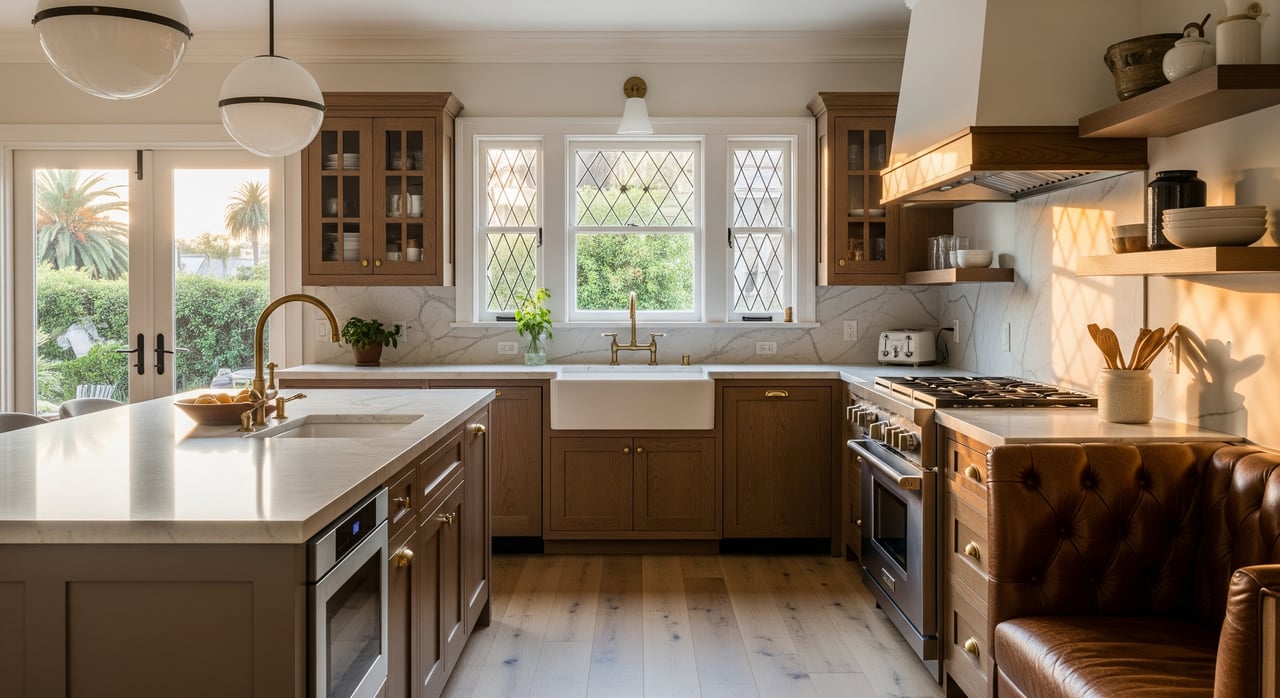
Kitchens sell homes, but you rarely need a full remodel here. Focus on refinishing or painting cabinets, updating hardware, installing midrange countertops like quartz, and swapping in a clean appliance package if yours is dated or failing. Add a tasteful backsplash and better lighting. Cosmetic work usually does not require permits, but moving plumbing or wiring often does.
Aim for clean, functional, and visually consistent. Replace dated fixtures, reglaze or replace a worn tub, install a modern vanity, refresh grout and caulk, and improve lighting and ventilation. Cosmetic swaps are often permit‑exempt, but moving fixtures or adding a fan may require permits.
Preserve and refinish original hardwood whenever you can. Repaired and refinished floors are a selling point in historic neighborhoods and usually cost less than installing new throughout. If you do not have hardwood, consider midrange engineered wood or quality LVP in select rooms to align with local expectations. No permit is needed for flooring.
Buyers pay for peace of mind. Serviced or replaced HVAC, a safe electrical panel, and a newer water heater can prevent inspection hiccups and renegotiations. These items typically require permits and inspections, and they often justify the cost through smoother escrow and stronger buyer confidence.
Coordinated lighting and hardware create a polished feel at a reasonable cost. Update switchplates, doorknobs, cabinet pulls, and light fixtures to a cohesive finish. Add layered lighting in darker rooms to showcase architecture. Simple swaps usually do not require permits unless you add new hardwired fixtures.
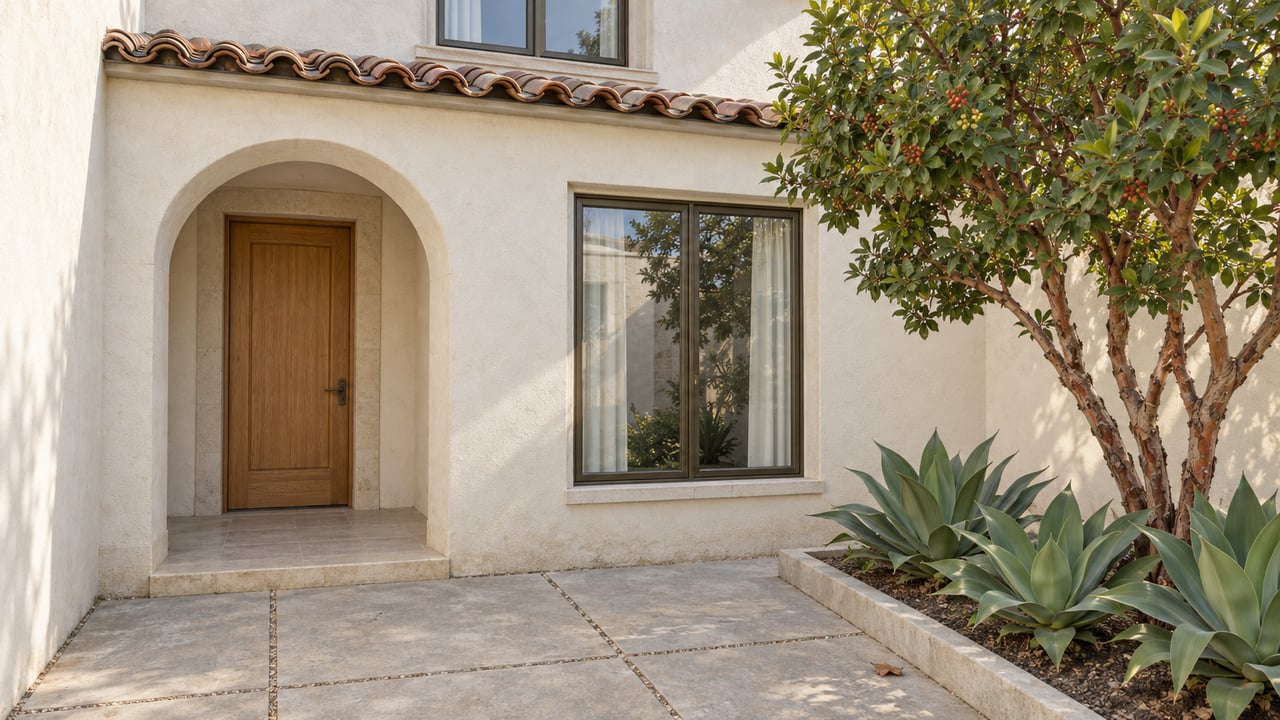
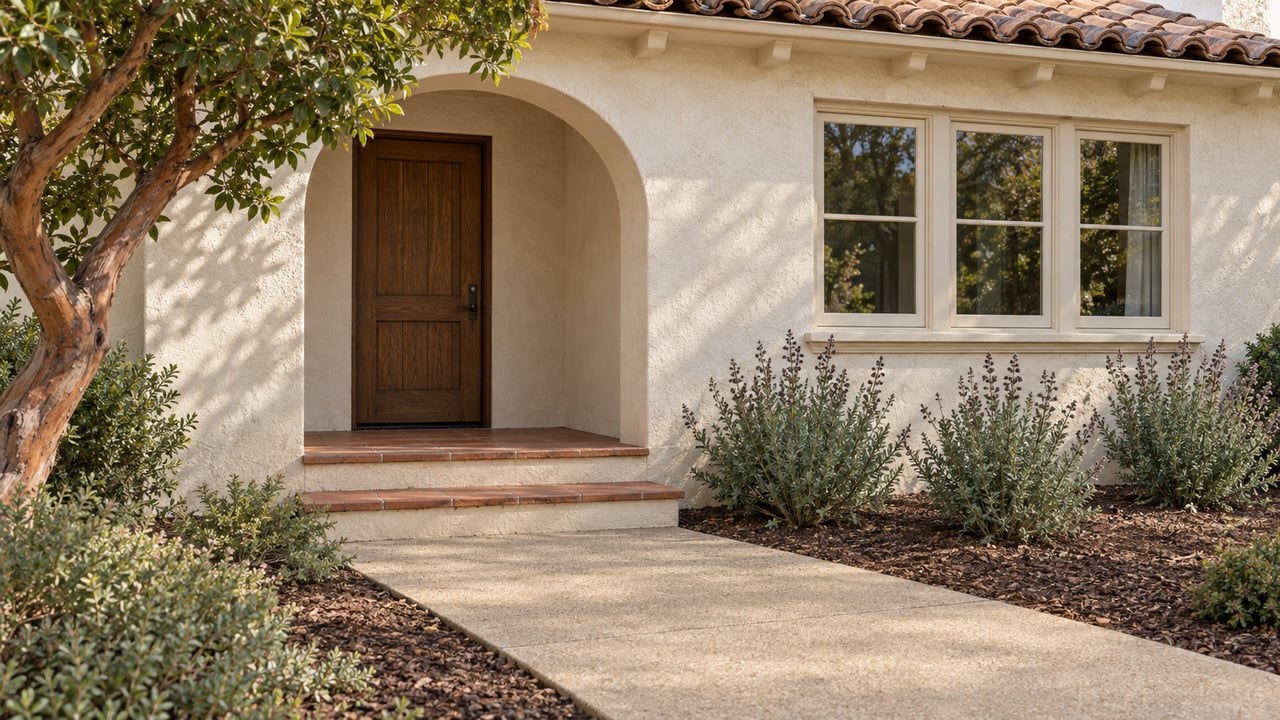
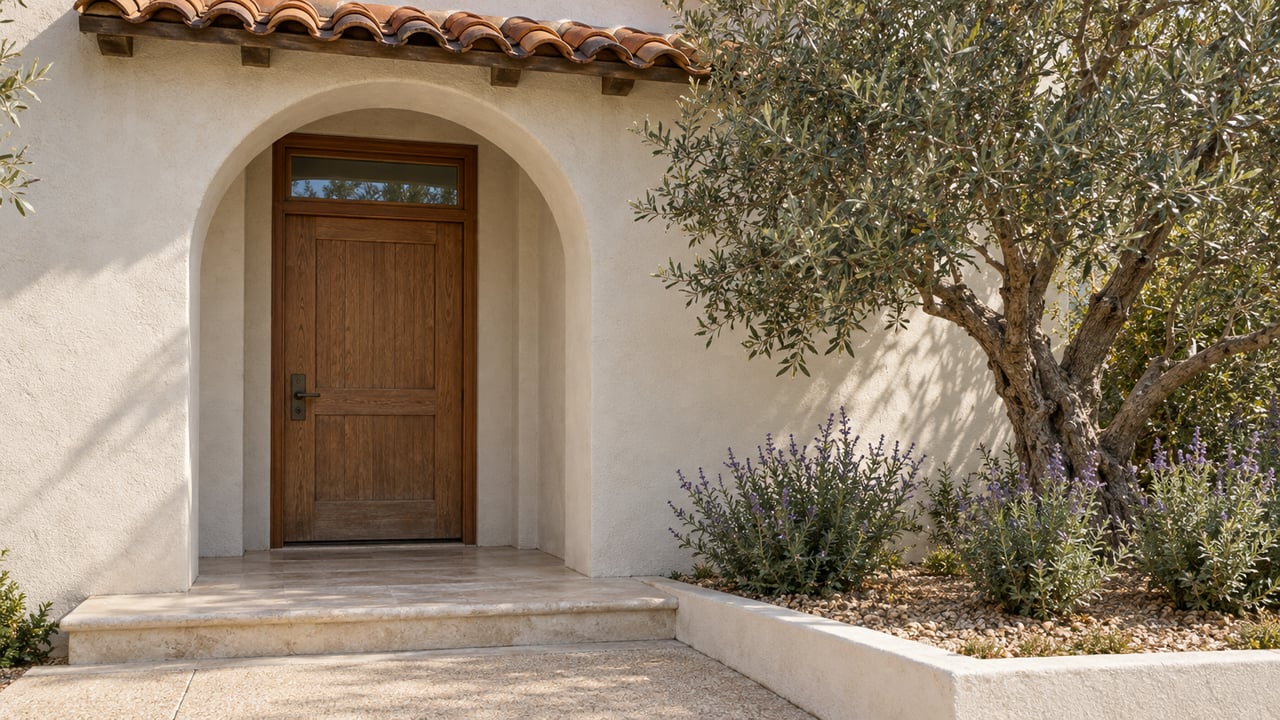
First impressions matter, especially on a tree‑lined California Heights street. Focus on reversible steps that respect historic character: porch touch‑ups, power washing, landscape clean‑up, fresh mulch, native plantings, period‑appropriate light fixtures, and tasteful house numbers. Confirm what exterior items may need design review if your home sits inside a designated historic district.
Parts of California Heights fall within a local historic district. Confirm your property’s status and whether exterior work needs design review. Typical triggers include exterior paint color changes, window or door replacements, front fences, and porch alterations. Mechanical, electrical, and plumbing work usually requires permits regardless of historic status.
If you know of unpermitted work, you must disclose it when you sell. Discovery during escrow can lead to delays, requests for retroactive permits, or price reductions. Resolving these issues before listing can protect your net proceeds.
You can make data‑driven decisions with a simple ROI method.
Example framework: If C is 15,000 for a targeted kitchen refresh plus paint and comps suggest updated homes sell for 30,000 more, selling costs on that 30,000 reduce the net lift. Your ROI is based on the net increase after costs divided by 15,000. Always validate numbers against current, hyperlocal sales.
If you want one accountable team to plan, permit, renovate, stage, and sell, you have options. A broker‑contractor team can scope preservation‑friendly updates, secure permits, coordinate trades, and launch your listing on schedule. That means fewer vendors to manage and a process built to maximize net proceeds while honoring your home’s character.
Ready to map your renovation‑to‑market plan for California Heights? Connect with the local team at Perry Handy Homes to schedule your free home valuation and renovation consultation.
Stay up to date on the latest real estate trends.
Whether you're selling, buying, or renovating, Perry Handy Homes brings the expertise, resources, and care to help you succeed—start to finish.