Broadway in Belmont Heights, Long Beach: How Locals Spend Their Week
September 24, 2026
September 24, 2026
Ask someone who has never lived east of Redondo Avenue what Belmont Heights is like, and most will describe Belmont Shore by proxy. Patio tables spilling onto Second Street. A wait for brunch. Cars circling for a parking spot two blocks from where they want to be. It is a reasonable guess. The two neighborhoods touch, and Second Street's restaurant scene is loud enough to define the whole southeast corner of Long Beach in a lot of people's minds.
It is also wrong, and the reason it is wrong tells you something real about how Belmont Heights works. The neighborhood does not run on Second Street's rhythm. It runs on its own strip of Broadway, a shorter and quieter stretch that residents actually use for the errands, dinners, and small rituals that make up a week, and that strip has spent the last year behaving nothing like its beachfront neighbor.
Broadway as a whole is a long street. The corridor stretches nearly two miles from the edge of downtown Long Beach out toward the Shore, and the On Broadway Business Association divides that run into named pockets, Alamitos Village near downtown, Falcon Village, Bixby Park Village, Temple Village, Heights Village, and Belmont Village closer to the water. Most of that mileage belongs to other neighborhoods entirely.
Belmont Heights claims one specific piece of it: the stretch of Broadway east of Redondo Avenue, the same street that forms the neighborhood's own western border. That short run, not the two miles of storefronts to the west and not Second Street a few blocks south, is what residents mean when they say they're headed to Broadway. It is walkable in a way Second Street on a Saturday afternoon is not, and it has none of the beach-day traffic that backs up 2nd Street toward the peninsula.
What sits on that stretch is a short list, and the list has stayed largely the same for years. Ma N' Pa Grocery still runs like an old-school corner market. Prism Boutique sells curated clothing and gifts without trying to be a destination. Speak Cheezy built a following for its pizza without changing what made people show up in the first place. The Reno Room keeps the jukebox on and the regulars coming back.
Compare that to what Second Street has absorbed in the past twelve months alone. South of Nick's finally opened its doors on June 15 this year, four years after Nick's Restaurant Group first announced the project for the old Citibank building at 5354 E. 2nd Street. Sweetgreen broke ground on its first Long Beach location in the Marketplace complex over the summer, with an opening still pending as of late August. Anna's Pizza Joint opened in early March, a partnership between Elliot Lewis and longtime local Curtis Fullerton, who grew up a couple of blocks from the new shop watching his mother run the neighborhood's old waterfront diner. Each of those is a real, worthwhile addition to the area. None of them happened on Broadway, and that is the point. Second Street's story this year has been arrivals. Broadway's story has been who stayed.
The one exception worth naming reopened rather than opened. Taste Wine-Beer-Kitchen, the California-fusion restaurant from Olive Grocer founders Erin O'Hagan and Laurie Semon, shut its doors during the pandemic and spent the following stretch hosting private wine dinners instead of running as a full restaurant. It came back for good on July 17, 2025, with Chef Brad Neumann returning to run the kitchen and an opening menu built around flatbreads, house-made bucatini, and gem salads.
That means Taste is heading into its second year back this fall, not making headlines for a grand reopening but simply operating as a fixture again, the way it did before it closed. Its return didn't come with a weeks-long soft-opening rollout or a press circuit. It came with a note from the neighbor next door.
"It's simply nice to see such a loved space come back to life for the neighborhood."
That was Steve Massis, who owns the Attic just down the block, talking about Taste's return when it happened. A year later, the sentiment still describes how the block operates: businesses come back for the people already there, not for anyone driving in from outside the neighborhood to try something new.
The businesses aren't the only thing that runs on its own schedule. The Belmont Heights Community Association, an all-volunteer group, keeps a running calendar that most people outside the neighborhood never see, because it isn't built to be seen outside the neighborhood. The BHCA also produces its own quarterly newsletter, News From the Neighborhood, written, edited, and delivered entirely by residents.
The standing events include:
None of this requires a reservation or a wait in line. It requires showing up, which is a different kind of commitment than the one Second Street asks of its visitors.
Some of this traces back further than any restaurant or walk. Belmont Heights was briefly its own incorporated city, with its own mayor and council, for a single year in 1908 before residents voted to join Long Beach in 1909. Long enough to leave a mark, not long enough to build much of a paper trail. More than a century later, people who live there still just call it "the Heights," a nickname that has outlasted the independent city that gave it a reason to exist.
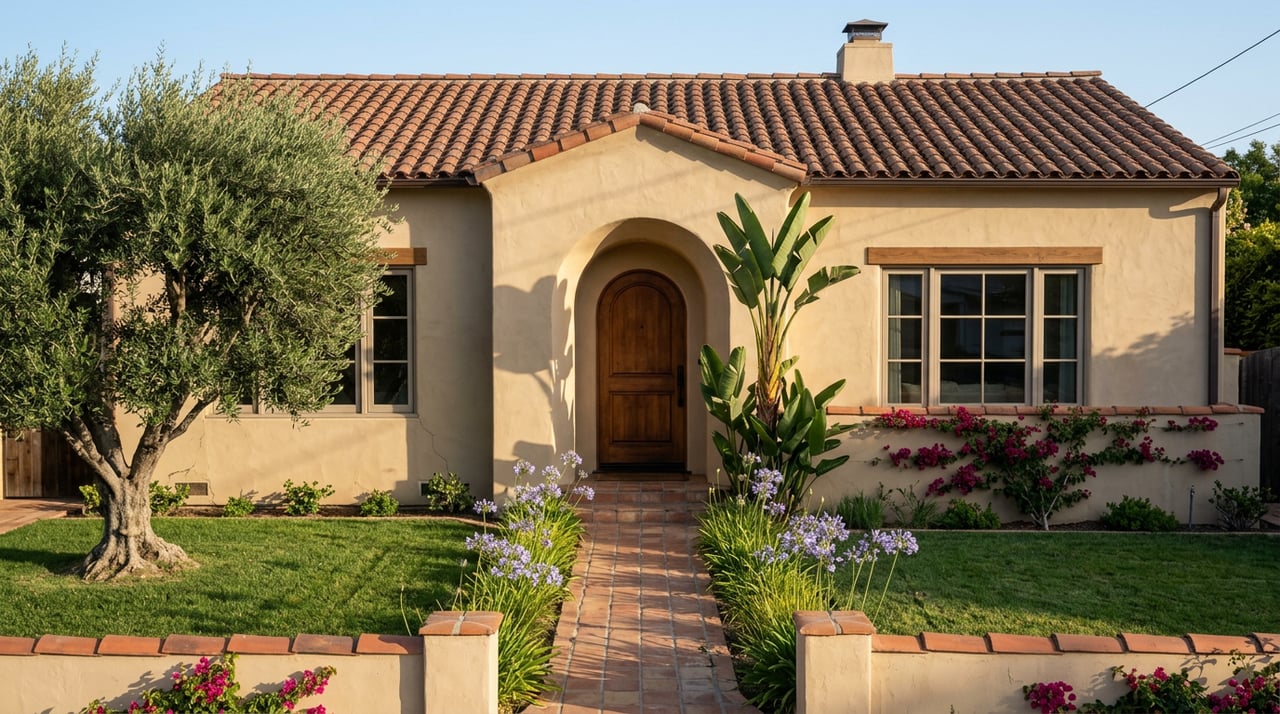
That kind of continuity shows up in the architecture too. The Belmont Heights Historic District, designated in 2002, covers roughly the blocks between 7th and 4th streets from Newport to Roswell, and the district survey found the majority of the more than 300 homes inside it are contributing Craftsman bungalows, many of them dating to the years right before and after 1922. Streets like that don't turn over the way commercial blocks do, and the businesses along Broadway seem to have absorbed the same habit. People move onto a block in the Heights and stay. Businesses open on Broadway and stay too.
None of this means Second Street is doing anything wrong. It means Belmont Heights was never trying to be Second Street in the first place, and the neighborhood's own short run of Broadway, its handful of steady businesses, and its volunteer-run calendar are the parts of daily life that actually explain why residents describe the Heights the way they do.
If you're already living on one of those tree-lined blocks and starting to think about what a Craftsman bungalow could handle for a future project, or what your home might be worth if you ever decided to test the market, Perry Handy Homes knows this stretch of Long Beach block by block. Schedule your free home valuation and renovation consultation whenever you're ready to talk specifics.
Stay up to date on the latest real estate trends.
Whether you're selling, buying, or renovating, Perry Handy Homes brings the expertise, resources, and care to help you succeed—start to finish.